...
Kubbeh, T’bit, and More Recipes from Iraqi Jewish Families
...
21 Recipes


Kubbeh, T’bit, and More Recipes from Iraqi Jewish Families
...
...
21 Recipes
Baghdad was once home to a Jewish community so large that “it almost seemed like a Jewish city,” culinary scholar Claudia Roden writes in “The Book of Jewish Food.” Jews have lived in what is now Iraq for 2,500 years starting in 586 B.C.E. when the Babylonian king Nebuchadnezzar conquered Judea, destroying the first temple and deporting Jews to Babylon.
“Babylonian Jewry gave guidance and direction to Jewish life for eight hundred years,” Roden adds. It had a strong influence on the Sephardi world both in Spain and North Africa. The community was home to scholars and traders alike and, for much of its history, it prospered.
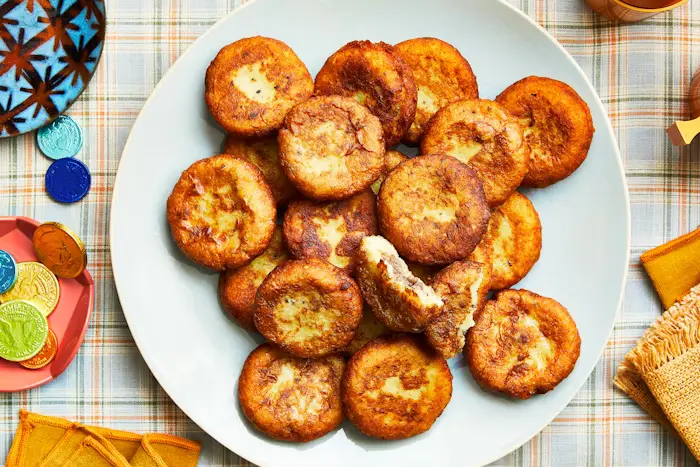
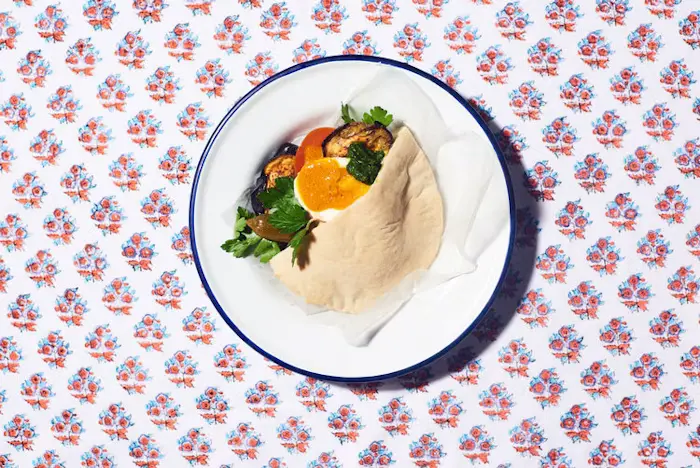
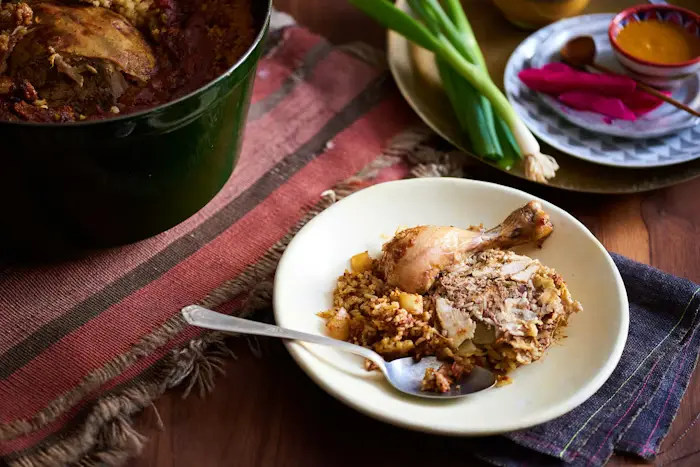
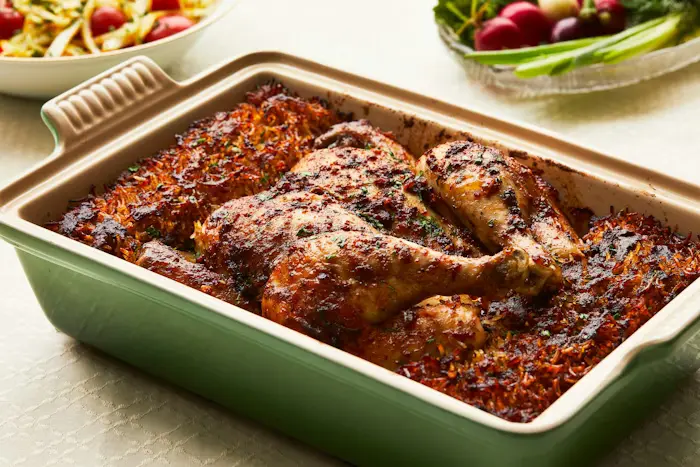
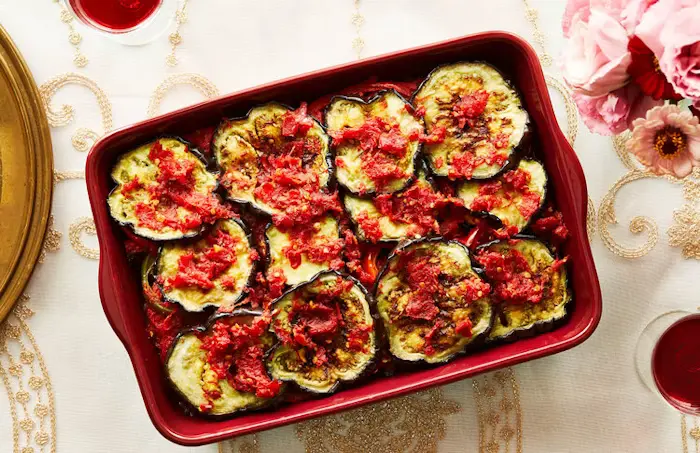
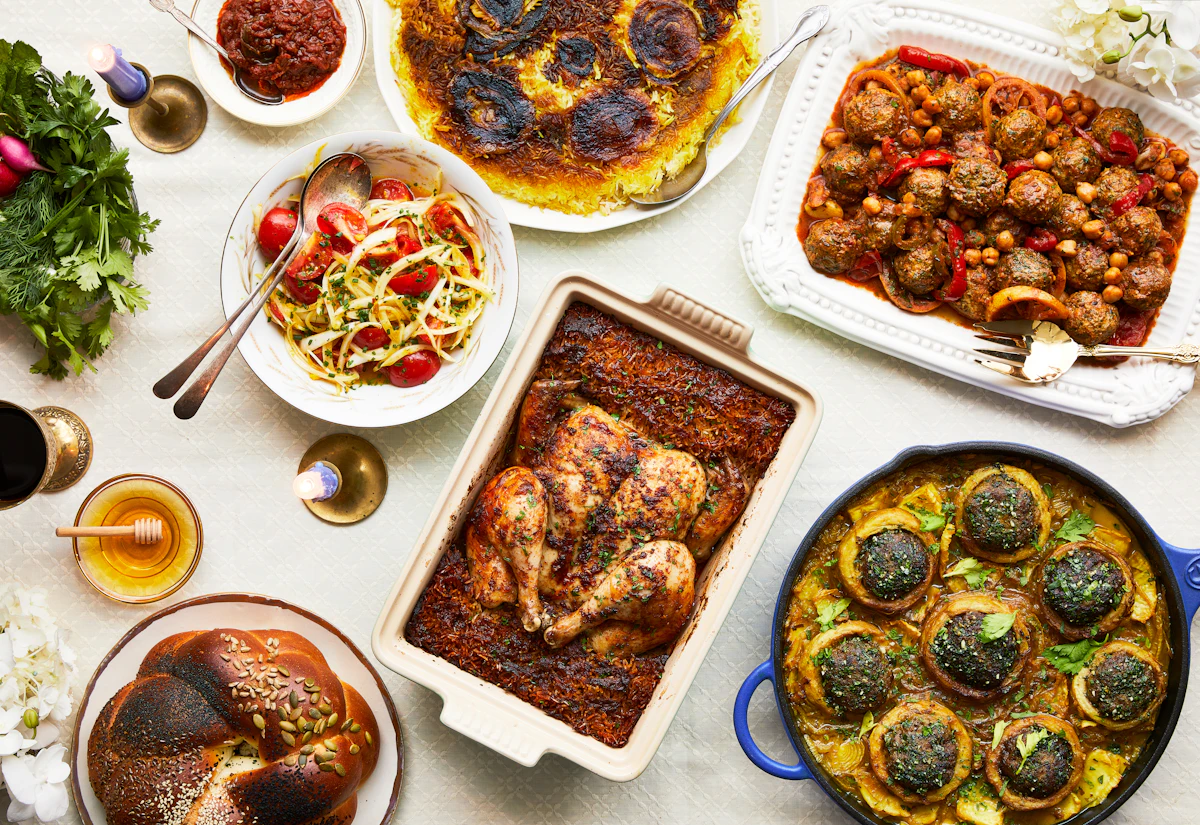
Members kept to kosher laws, so all food was prepared at home, often adhering to a fixed weekly menu. The simple rice dish kichree was served on Thursdays before the richness of Shabbat food, fish dishes including fried patties called arouk were made on Fridays, and t’bit, or chicken stuffed with spiced rice was prepared before Shabbat and left to cook overnight — much like cholent and hamin. Eggs were tucked into the pots, retrieved for breakfast, and served alongside a spread of fried eggplant, and amba, a mango pickle. In Israel, those elements were reimagined as the filling for the popular sandwich known as sabich.
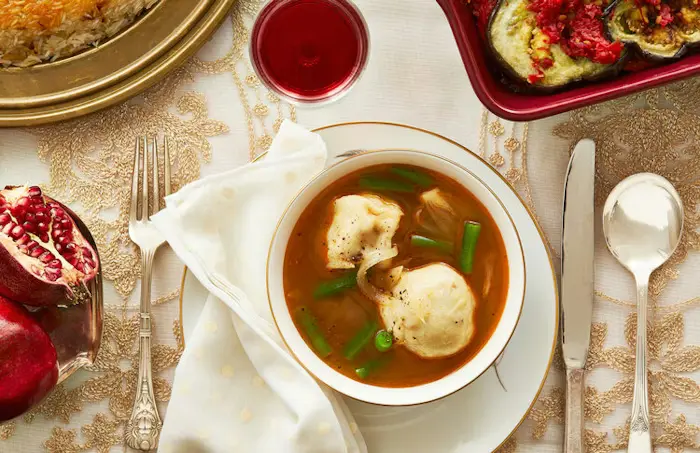
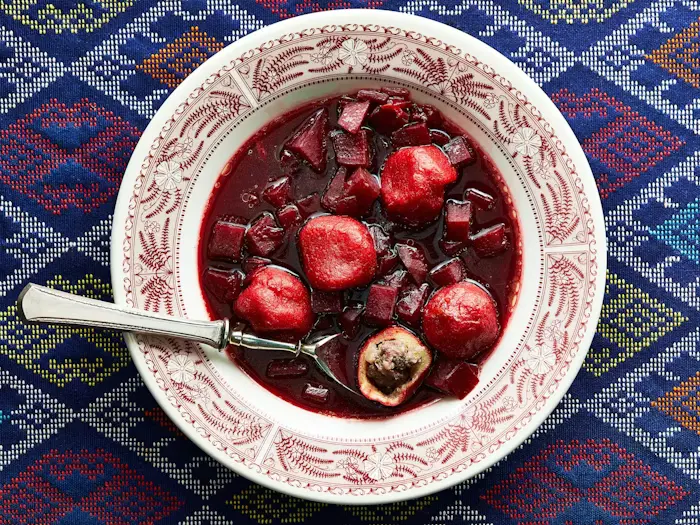
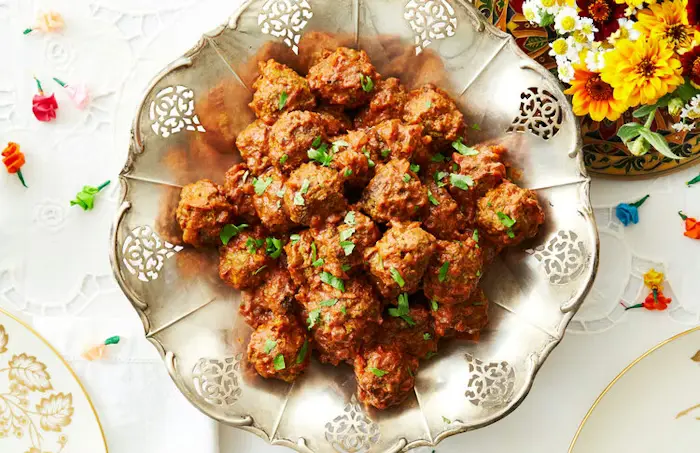
Kurdish Jews, who lived in what is now Iraq, Turkey, and Iran were known for their kubbeh (also spelled kubba), dumplings stuffed with meat and simmered in broths with beets, greens and lemon, or other vegetables.
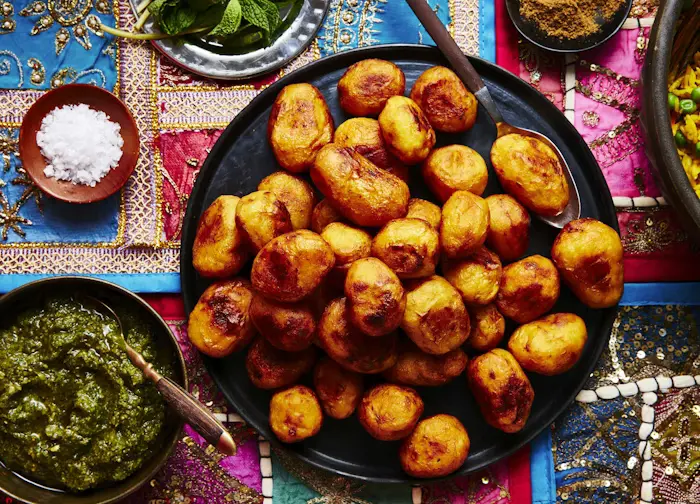
In the 18th and 19th centuries, during the Ottoman Empire, Iraqi Jews were persecuted by Turkish rulers and some left for India, China, Indonesia, and Sudan, Roden explains. The community in India flourished for over a century. Here, Baghdadi Jews created a cuisine that’s a unique blend of Middle Eastern and Indian flavors and cooking techniques. Aloo makala or fried potatoes with turmeric, for instance, gets its name from the Hindi word for potato, aloo, and an old Iraqi Arabic word for fried, makala. In Singapore, families like Rose Benjamin’s continued to make recipes from Iraq like arouk, while adopting local dishes like beef rendang as well.
The Jews who remained in Iraq faced a pogrom known as the Farhud during the first days of June 1941, when between 150 and 180 members of the community were killed. Some Iraqi Jews fled to other countries in the Middle East. By 1951, all but 11,000 of Iraq’s 135,000 Jews had left the country for Israel.
Today, there are reportedly only a handful of Jews remaining in Iraq and a few hundred families living in Iraqi Kurdistan. The largest population in the community’s diaspora lives in Israel, but there are also clusters in New York and London.
Their food is known for being hamedh-helu (sweet and sour), explains writer Samantha Ellis. “It’s often said it’s because of our sweet and sour history in Iraq.”
Try recipes from Central Asian, Persian, Latin American, North African and many other Jewish families.
In this collection
...
...
21 Recipes