Shared by Claudia Roden
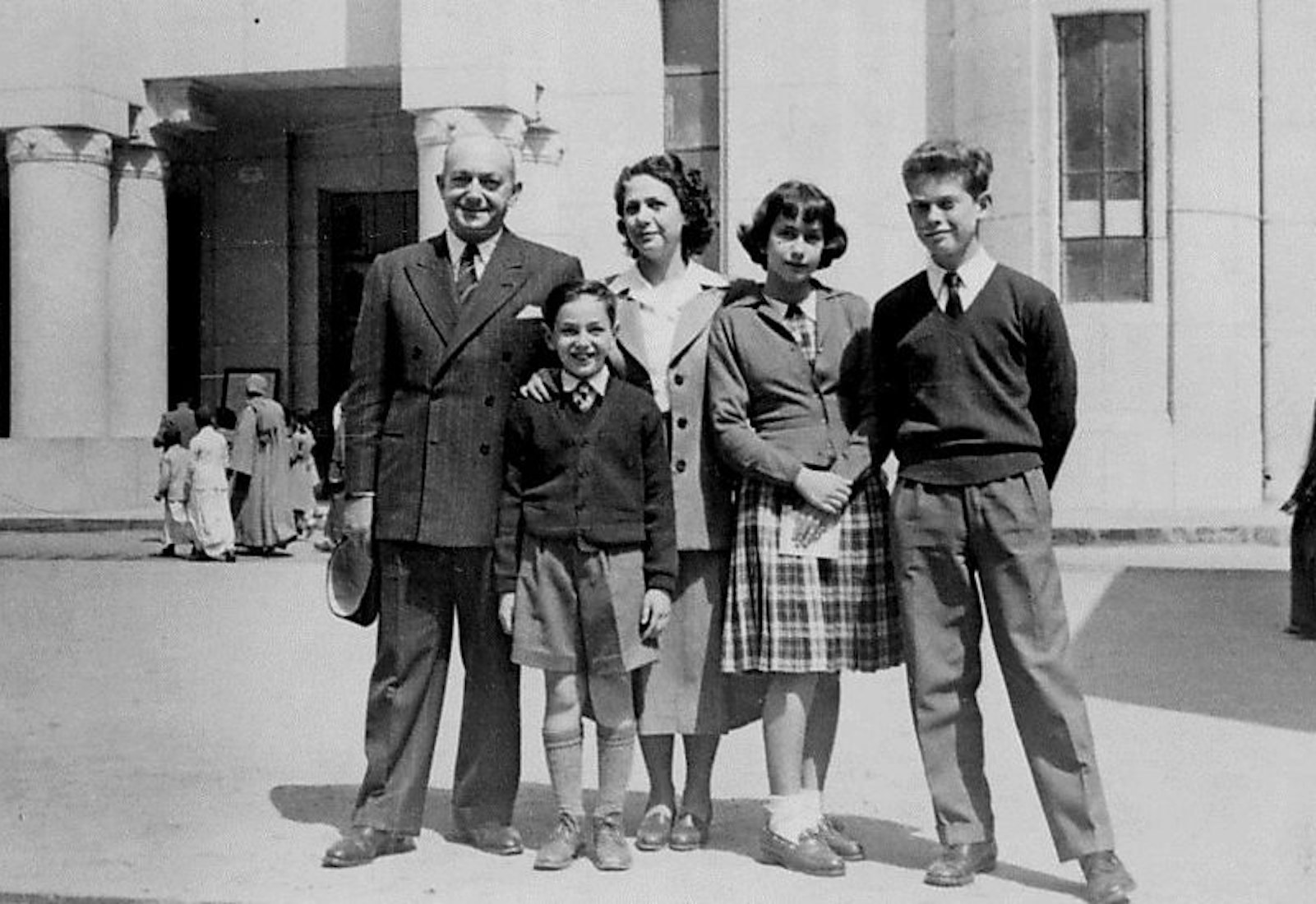


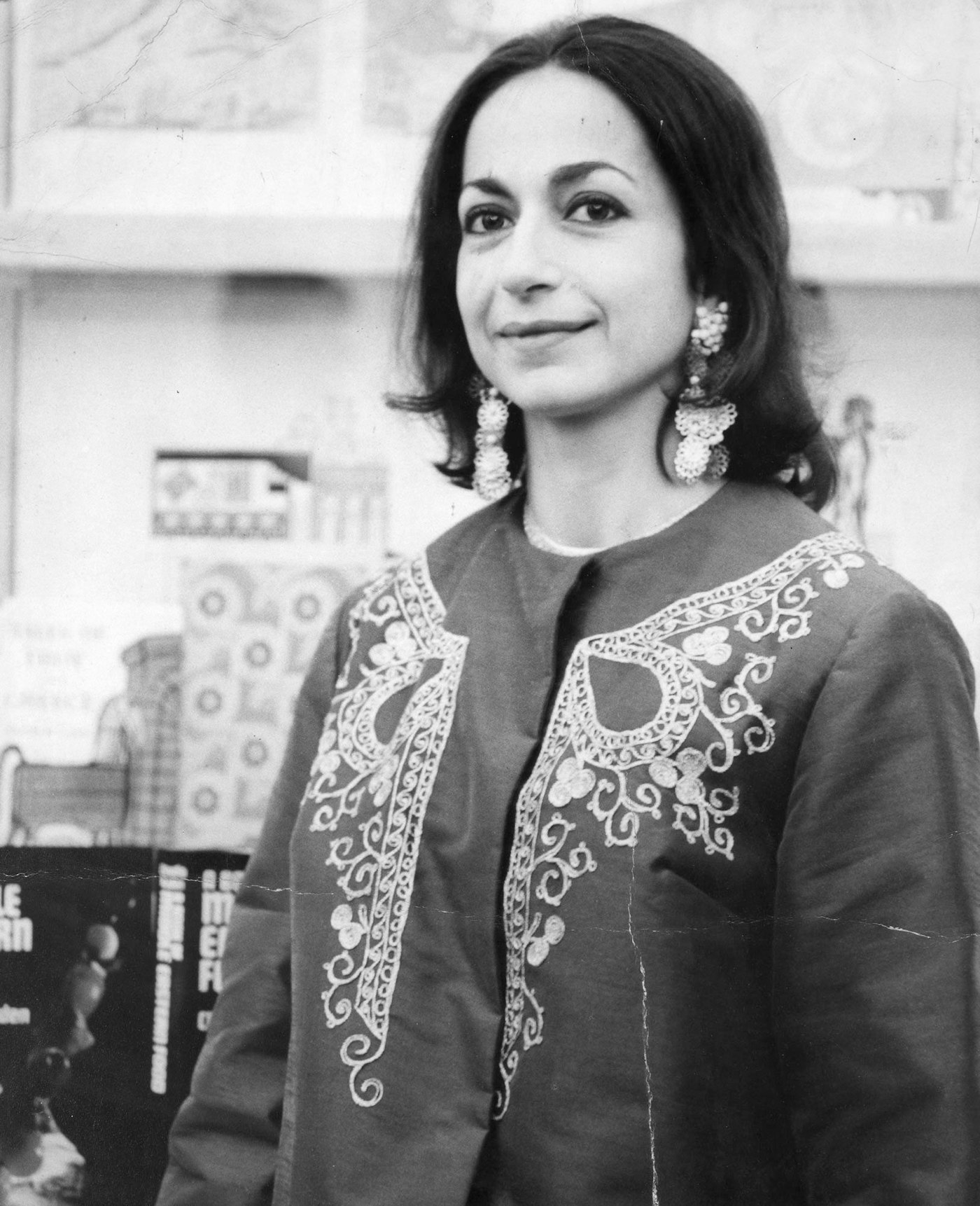
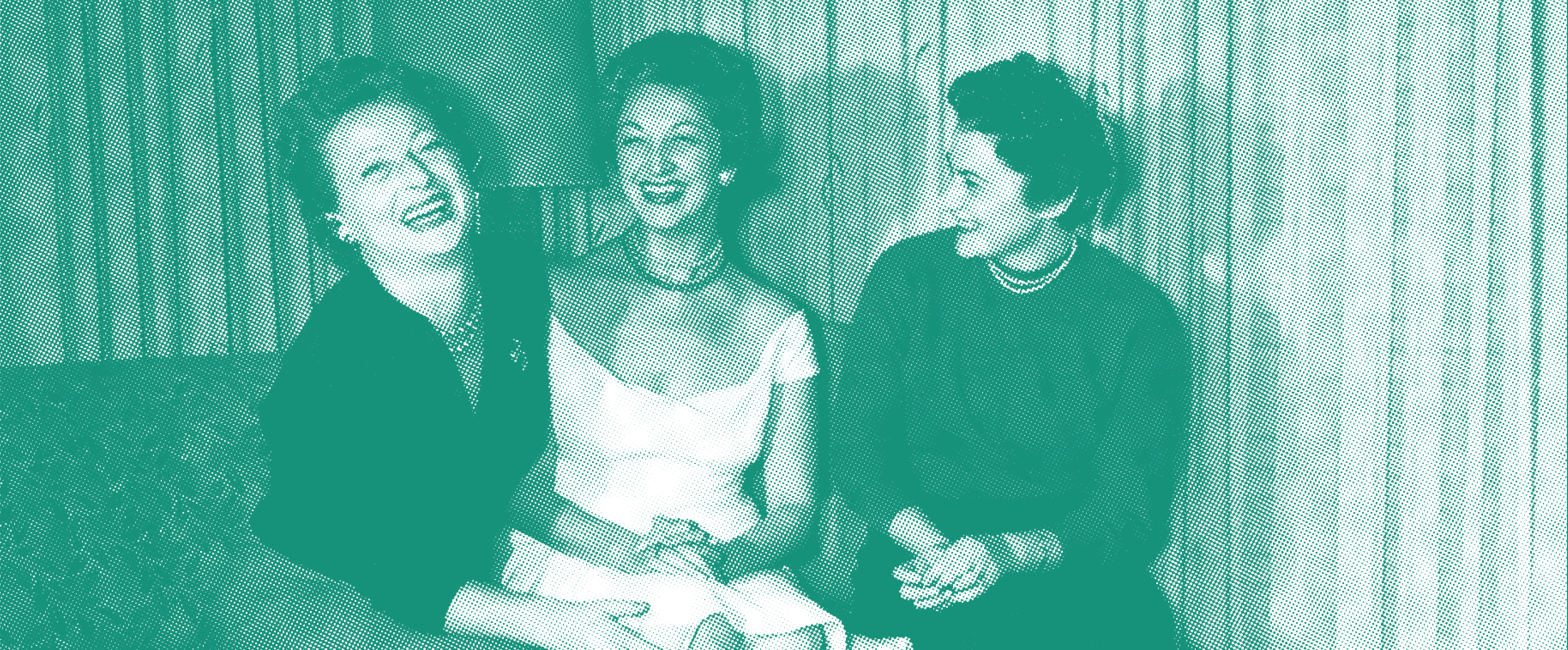
Cookbook author Claudia Roden’s childhood home was situated on the small island Zamalek in Cairo that was colored by palm trees and bougainvillea, and surrounded by the Nile River. Her Jewish community was closely knit and both sides of her family were so large, that everyone she knew felt like a cousin. Family members visited one another often and the kids would lock the doors to the living room, put on music, and dance together. Meanwhile, her aunt Latifa’s home and garden were always open to guests. No matter when visitors arrived, they were fed. “It was, for me, a very happy life with the family,” Claudia shares from her home in London.
Egypt of the 1930s and 1940s was cosmopolitan and in larger cities, many, including her family, were multilingual, speaking French and Arabic, and sometimes Greek or Italian. “We spoke to each other in different languages, but we did live in harmony with this city full of minorities," she shares. “We didn’t feel for a second that we weren’t part of [it].”
Like many in the Egyptian Jewish community at the time, Claudia’s family came from the Ottoman Empire following the opening of the Suez Canal in 1869, which transformed Egypt into a major center for trade. Her father’s family of merchants and traders, the Doueks, migrated from Aleppo in Syria, while her mother’s family, the Sassoons, came from Aleppo and Istanbul.
They lived in a Jewish world that long ago disappeared, but has lived on in Claudia’s work and memory. Her community’s exile 70 years ago has echoes in the Passover story we repeat annually, when we are asked to imagine that we ourselves came out of Egypt in the Exodus over 3,000 years ago.
When Passover came in Cairo each spring, the week “was spent in a round of visits to every member of the family, starting with the older relatives. We sat in large circles and were treated to coffee and sherbets and almondy cakes and sweetmeats,” Claudia notes. The older generation washed themselves with rosewater and as she went to kiss them, Claudia breathed in the scent.
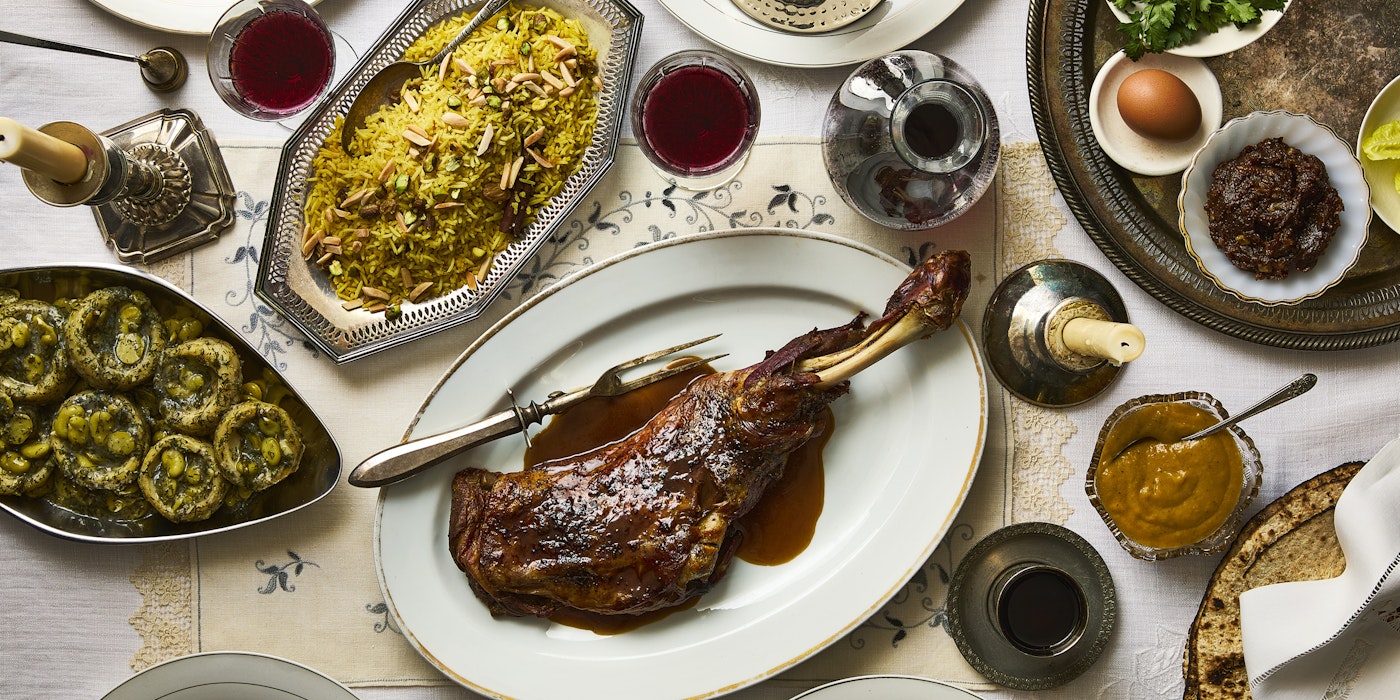
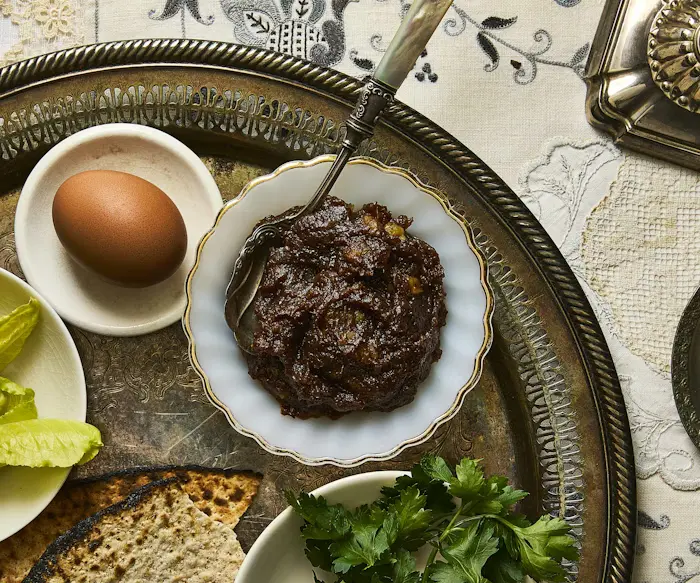
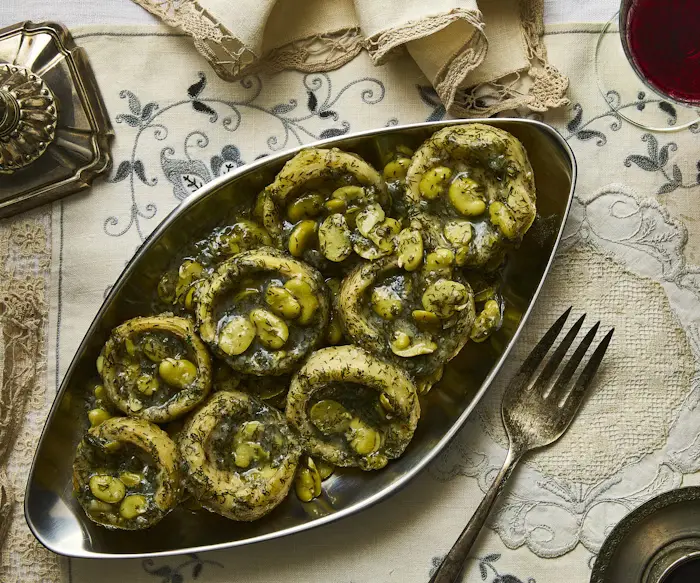
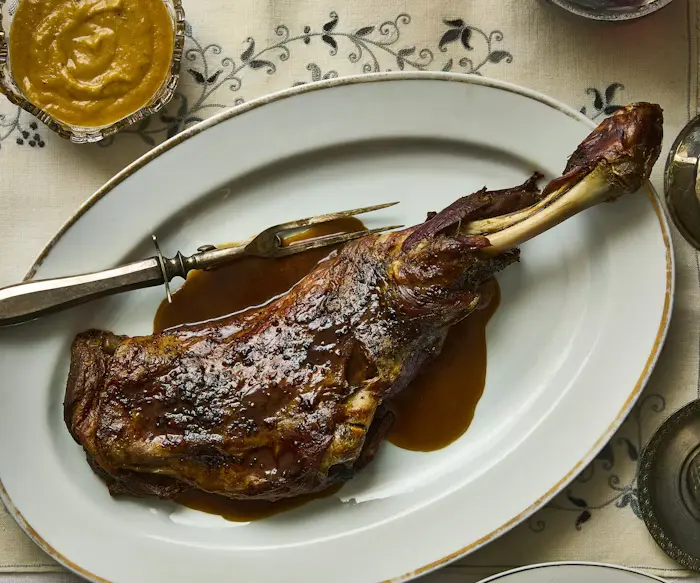
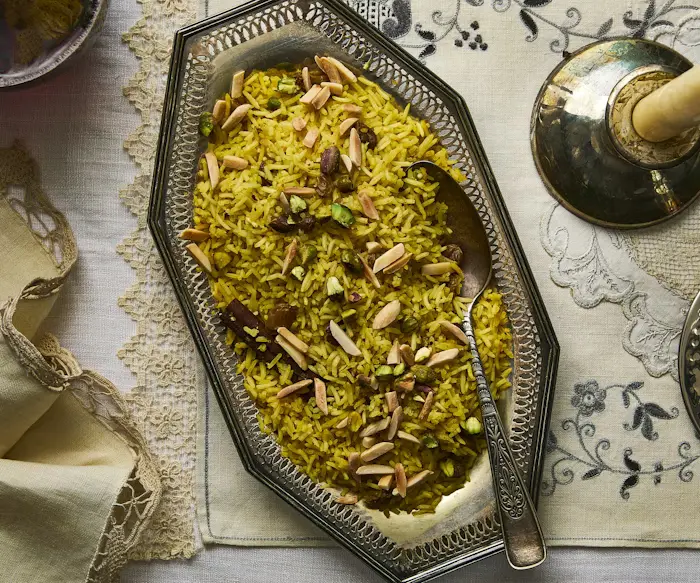
Her grandparents Isaac and Eugeny had the honor of hosting the Seder when she was little and later, her parents inherited that role. Claudia’s mother Nelly taught their family cook and the cook of one of her sisters how to prepare their Seder dishes, like an Egyptian charoset with dates and raisins that looked like the silt of the Nile, artichokes with fava beans to remind them of the food eaten by enslaved Jews in ancient Egypt, and lamb stuffed with rice and served with apricot sauce. They also made the items for the Seder tray, which was used in place of a Seder plate, filled with large portions of symbolic foods like boiled lamb eaten as part of the meal, not just tasted for ceremony.
“The men and boys chanted in Hebrew, in Spanish modulations and Arab tunes, including the tune of the Egyptian national anthem,” Claudia shares. The meal also had a comedic note. As the family read about the Exodus of Jews from ancient Egypt, they joked: “Were we left behind?”
When the 10 plagues were recited, the cooks in the kitchen could generally understand what was being said because of the similarities between Hebrew and Arabic. In the years before the establishment of Israel “things started to turn sour,” Claudia says, and the tenor of that moment during the Seder changed from lighthearted to tense. Some members of their community started to leave the country, but her father’s family of merchants wanted to stay. “They never thought anybody would turn against them,” she adds.
In 1956, everything changed. The Egyptian Jewish community was exiled during the Suez Crisis — some were given just 24 hours to leave. Claudia had left to study a few years earlier in Paris and later in London. Her parents joined her there, leaving behind almost everything. From afar, Claudia received a letter that she could no longer use her Egyptian passport or go home. She wouldn’t return for 30 years.
In London, one of the first things her family purchased was a large Passover tray to replace the one they left in Cairo. Their Seders table was no longer surrounded by numerous cousins, but by a mix of family, friends, and fellow refugees still in search of a home. No longer having all of their relatives nearby “Was the saddest thing for my parents. They missed all the people who had been in our life,” Claudia shares.
But her mother Nelly found joy and passion in the kitchen. Without a private cook, Nelly prepared all of the family dishes for Passover, purchasing tinned favas and artichokes at a Cypriot shop long before those ingredients were widely available in London. At the Seder table, the family continued to joke, this time, not about being left behind, but that they had experienced a second Exodus. For the younger generation, Claudia says, there were a mix of emotions, “We missed our friends. We missed our old life, because suddenly, a life which was full of people just disappeared.” But at the same time, they embraced living in Britain in the 1960s, an exhilarating time of cultural revolution.
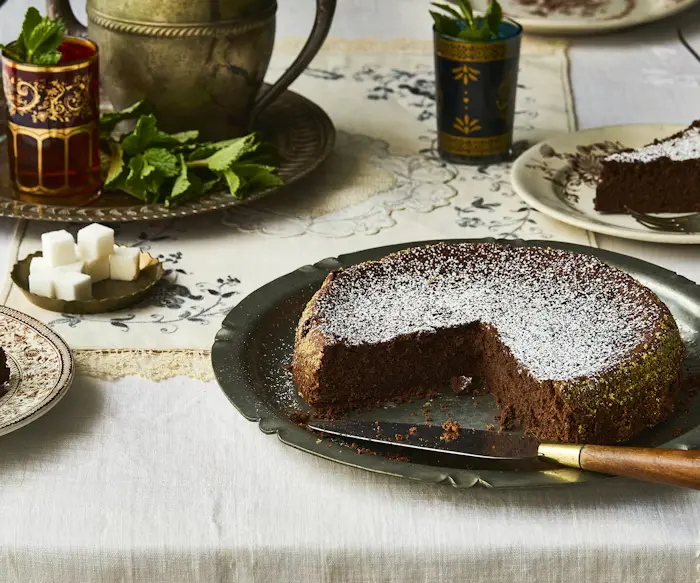
Claudia started to document recipes shortly after her family arrived. In Egypt, “I never saw a recipe in print, in a newspaper, or anywhere,” she explains. There was an unspoken competition for the best tables in town and family recipes were closely guarded secrets, passed down between generations and shared with local women who cooked for the family, but no one else. In London, when relatives and friends visited, they exchanged recipes as a way to remember one another. “I realized that recipes could be lost forever if you didn't record them. That's when I felt it must be the most important thing I can do,” Claudia says. Her first book, “A Book of Middle Eastern Food,” included Syrian and Arabic recipes from her grandmother Sarah Hara that were part of Claudia’s childhood in Cairo as well as others she gathered including a flourless chocolate cake from a family friend.
Claudia first hosted Seder when her mother became ill. She prepared the lamb just as Nelly did as well as the other family recipes for the first year. But, as she researched more than 20 books including the canonical work “The Book of Jewish Food,” Claudia introduced dishes from other communities to the Seder and Shabbat table — but her father always preferred the family recipes.
Today, Claudia’s daughter Anna and her husband Clive host Seder. When Claudia’s grandchildren were little, it was a theatrical gathering — Clive dressed up as Pharaoh and was pushed into the Tiver Thames by the children who played the Jews, crossing the river by kayak. Anna’s menu is different from the one Claudia was raised with, but the sweet Egyptian charoset is still part of the table and there are many other dishes that have remained in the family’s culinary repertoire. “It’s passed along from Sarah Hara to my grandchildren. That’s well over 150 years,” Claudia shares, adding: “I'm called Claudia Sarah from her. Looking at myself now, I look like her quite a bit.”
At nearly 90, Claudia says she spends much of her time thinking about the past. She’s received invitations from Egyptian food writers and children of former classmates to visit. But, she seems unsure if she will return — a large family trip planned a few years ago was cancelled after October 7. “I don’t feel like going as a tourist,” Claudia says. In the past, she returned as a writer on a mission. “But now, I'll be sad to go, the last one. All my family has died, including my brothers.”
Still, the memories of her childhood in Cairo remain clearly in her mind — and because of her work, countless Jewish recipes, stories, and histories will never be lost.