Shared by Shay Daniely
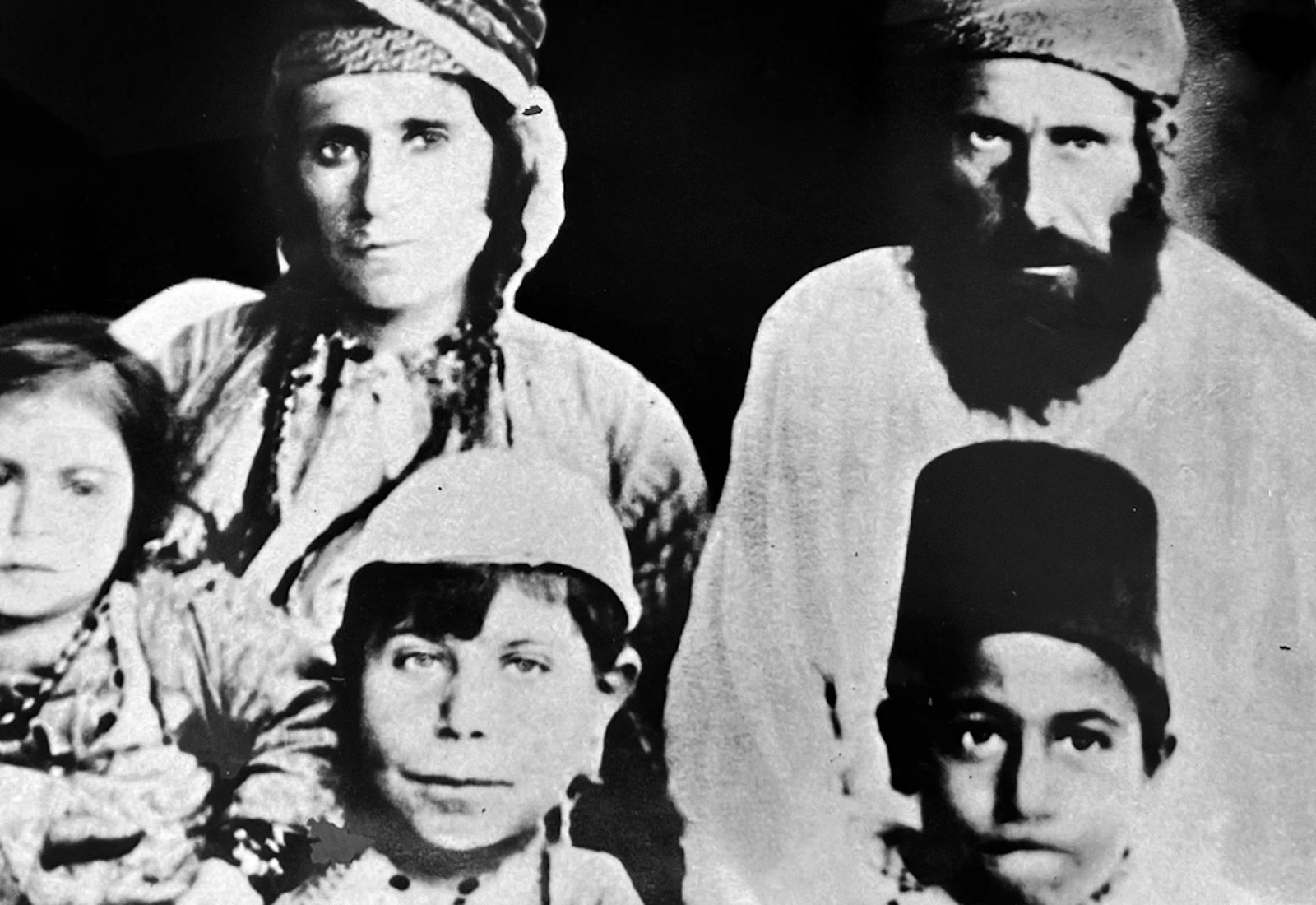

Shay Daniely’s grandparents had the type of home where guests arrived at all hours. “The door was constantly open,” Shay says. Members of their Kurdish community came seeking advice from his grandfather, rabbi Itzhak, and meals prepared by his grandmother, Warda.
The apartment in Jerusalem’s Nachlaot neighborhood, near Machane Yehuda market, was also a gathering place for their seven children and their families. After the shofar sounded at the end Yom Kippur every year, Shay’s immediate family would break their fast on a cream-filled roulade cake baked by his mother Avigail and then pile into the car to drive to his grandparents’ house where 50 or so relatives spent the evening together.
“The big mitzvah at the end of Yom Kippur, is to start building the sukkah. That was one of the most important things for my grandfather,” Shay says. His father and uncles would hoist Shay and his cousins up to a small attic to retrieve the various parts of the sukkah, which had been stored there since the year before. Everyone had their role: Shay’s brother, who he jokes was “the smart one,” was in charge of the engineering, while the little kids made paper chains and cut outs.
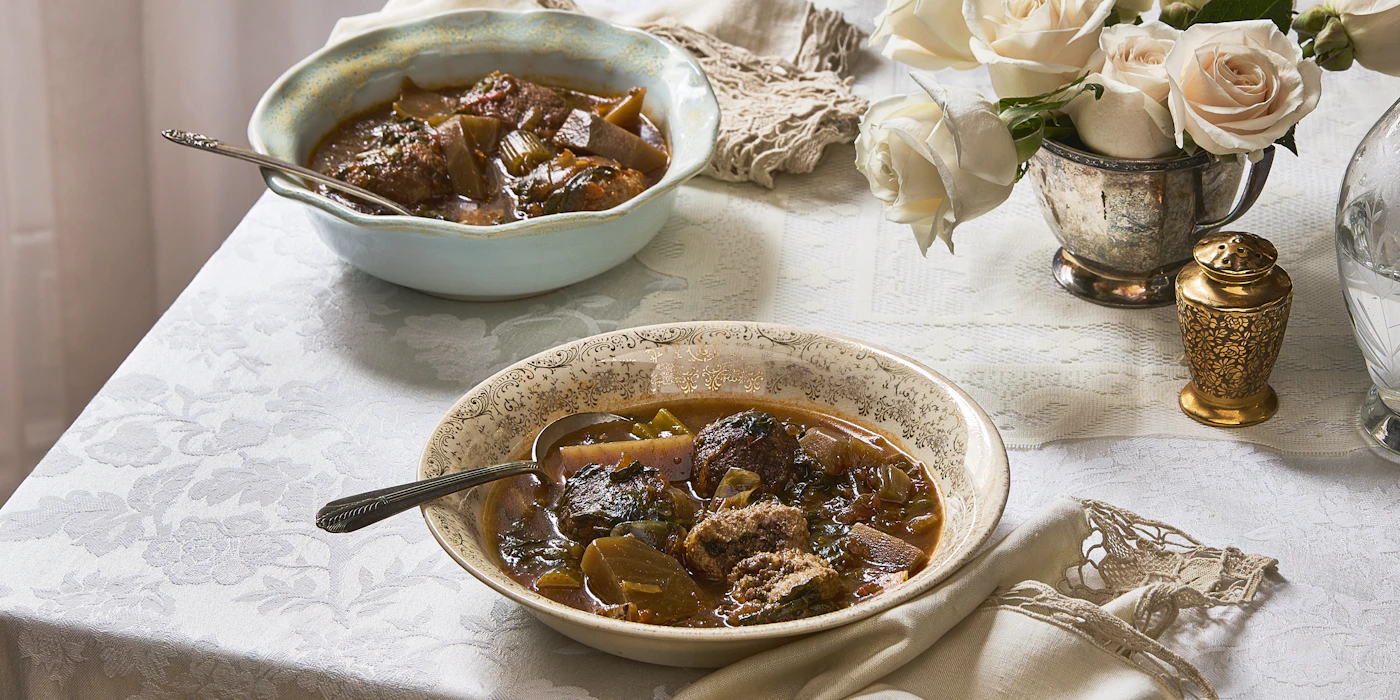
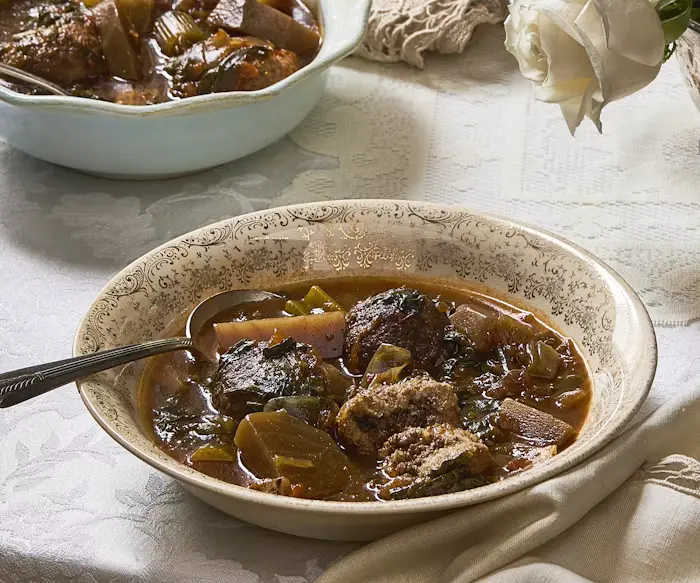
Throughout the evening, everyone would tuck into helpings of his grandmother’s Yom Kippur kubbeh, a dumpling soup that she made with a beet and tomato broth. Since cooking during Yom Kippur is prohibited by Jewish law, Warda put the pot over a low heat before the holiday started and left it to simmer for 25 hours, allowing it to develop a deep flavor. To keep the kubbeh from falling apart, the more common semolina shell was replaced by one made with ground beef, chicken, and rice, which the family also uses on Passover.
Enjoying the soup was the highlight of the evening. “It was like holy kubbeh,” Shay says. He believes Warda inherited the Yom Kippur kubbeh tradition from her mother. Their family came from Amedi, a village located on a plateau in Kurdistan, in what’s now northern Iraq. It’s also where Shay’s grandfather, Itzhak, traced his roots.
He and his brothers were some of the first Kurdish Jews to move to their Jerusalem neighborhood in the mid-1940s. And Warda and Itzhak’s home was always a community hub for Jews from Amedi, with Warda typically cooking tangy kubbeh hamusta with lemon juice on Tuesdays and kubbeh selek, or kubbeh with beets on Fridays. She served kubbeh not just to family but to “literally everyone,” Shay says, including those who simply needed a meal.
Warda was also known for her yaprak, or stuffed cabbage and grape leaves, charoset with homemade date syrup, sunflower seeds she dried herself on a blankets on the roof and numerous other kubbehs including one with okra, another with green beans, and a Shabbat hamin of sorts with kubbeh in it. “Food was always, always, always a really important part of her identity,” Shay says.
His mother, Avigail, inherited his grandmother’s kubbeh mastery. The greatest compliment she receives from her siblings is that the kubbeh tastes like their mother’s, Shay says.
A few years ago, he hosted a kubbeh pop-up at a friend’s bar in Tel Aviv, featuring his grandmother’s kubbeh. Wanting to make it just right, he turned to his mother, who taught him how to roll and shape the dumplings the way she had learned from Warda. Together, they made five pots of kubbeh for the pop-up.