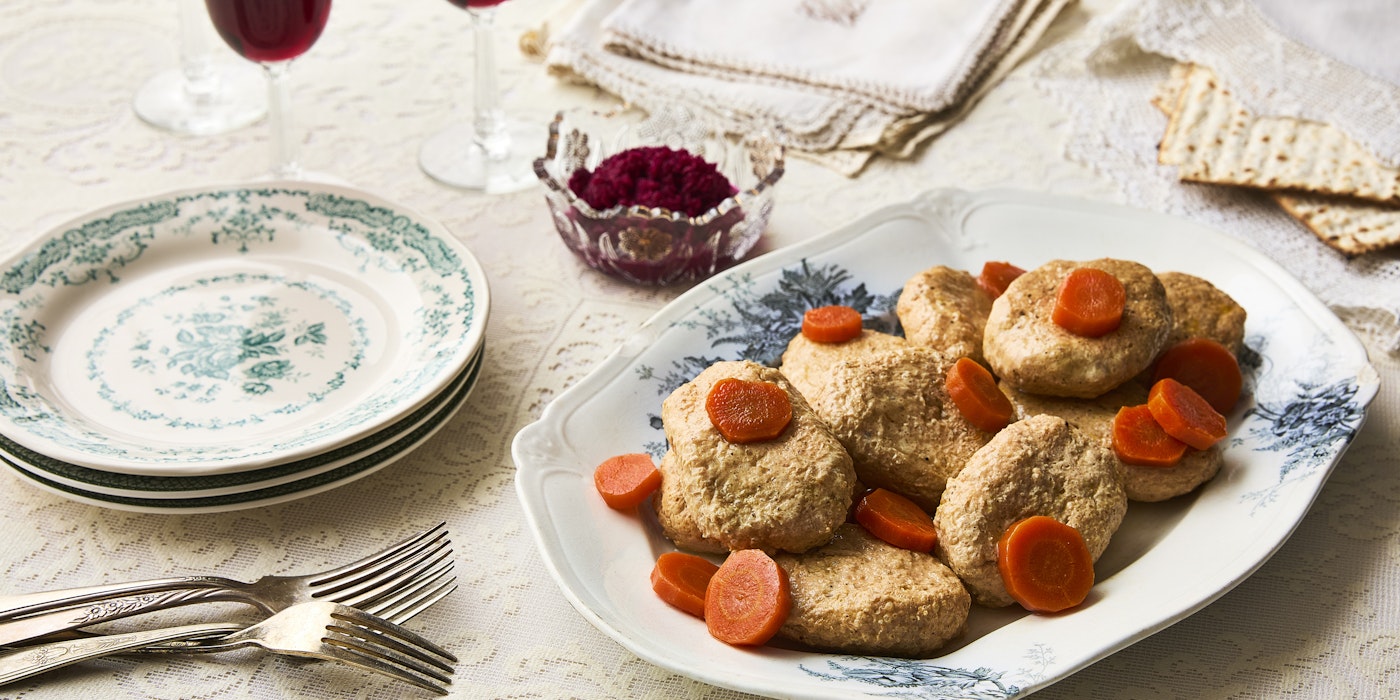
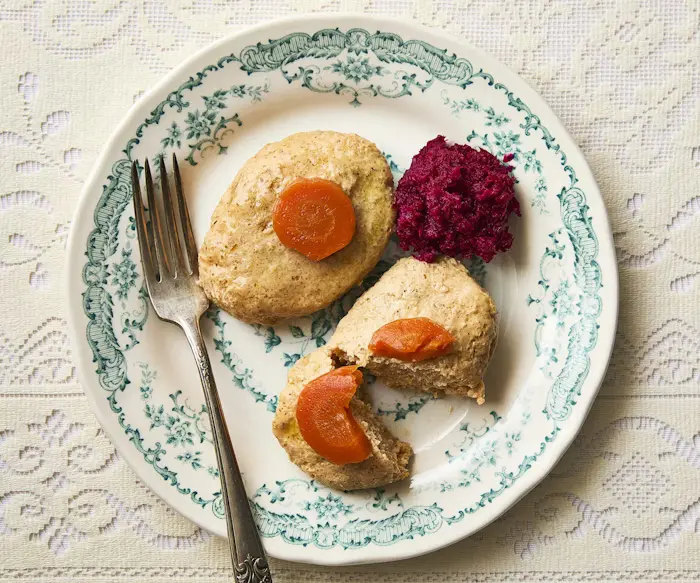
Shared by Liz Galst
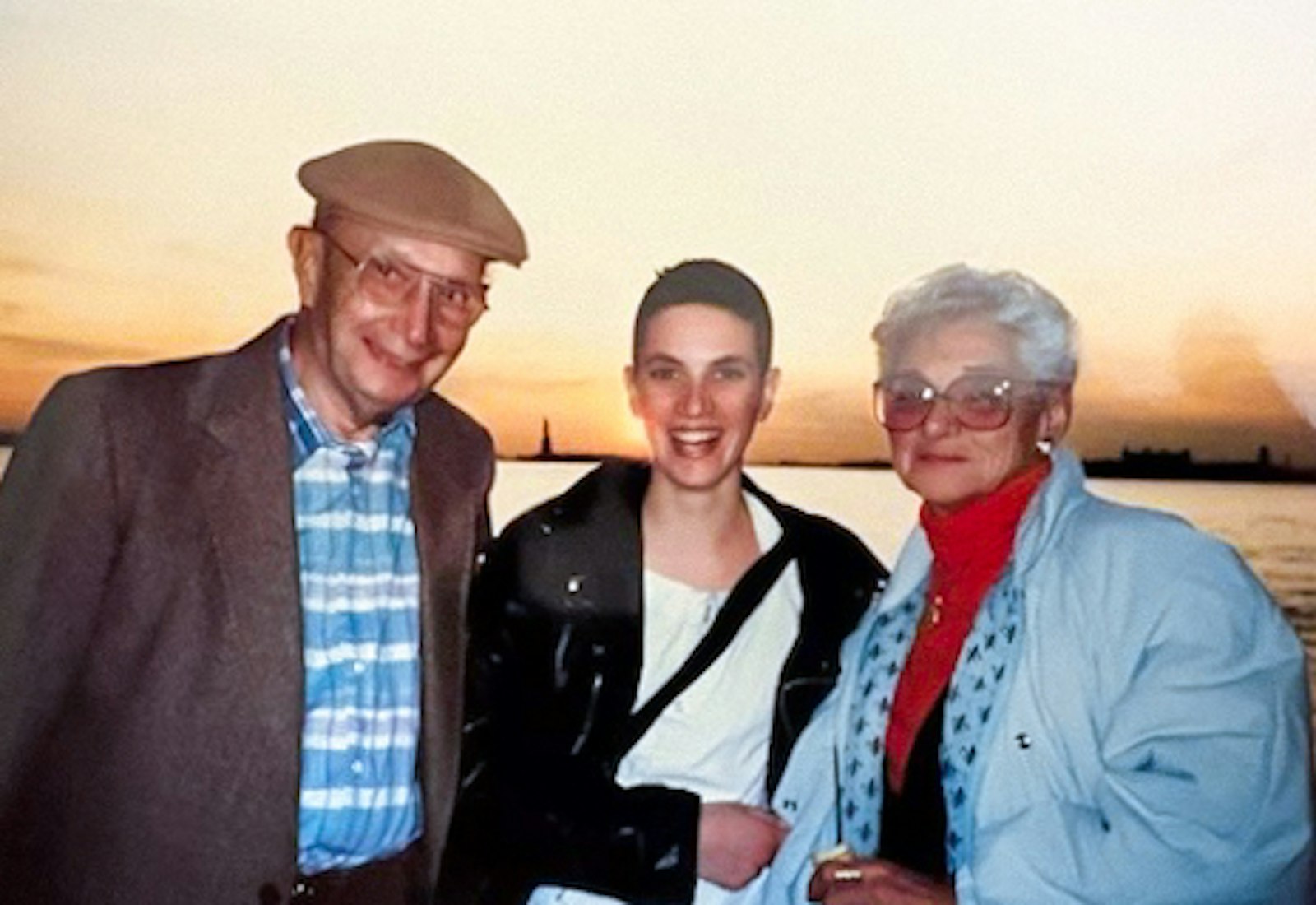

Liz Galst works as writer and editor at Environmental Defense Fund, a global nonprofit organization. Born in New York City and raised in its Westchester suburbs, she also makes some excellent kreplach with family and friends in the Big Apple. Here, she shares her story about gefilte fish in her own words.
When I explain to people that making gefilte fish is an all-day affair, they wonder why I make it. The trip to the fish store is 1 hour round-trip, or more if they forget my order, which has been known to happen. (There was also the time I came home with someone else’s yard-long carp.)
The stock, with fish heads and bones, takes at least 15 minutes to prepare. Chopping the fish? One hour. Shaping the fish balls is 20 minutes, there’s also cooking (2 hours), cooling (2 hours), and putting the gefilte fish into its containers (30 minutes.) Cleaning up is 1-2 hours —less with friends.
In all, it’s a lot of time that could be employed otherwise. But making gefilte fish to me contains everything about love, family, and Yiddishkeit that I want to experience and bring forward into the future. I would not be who I am without it.
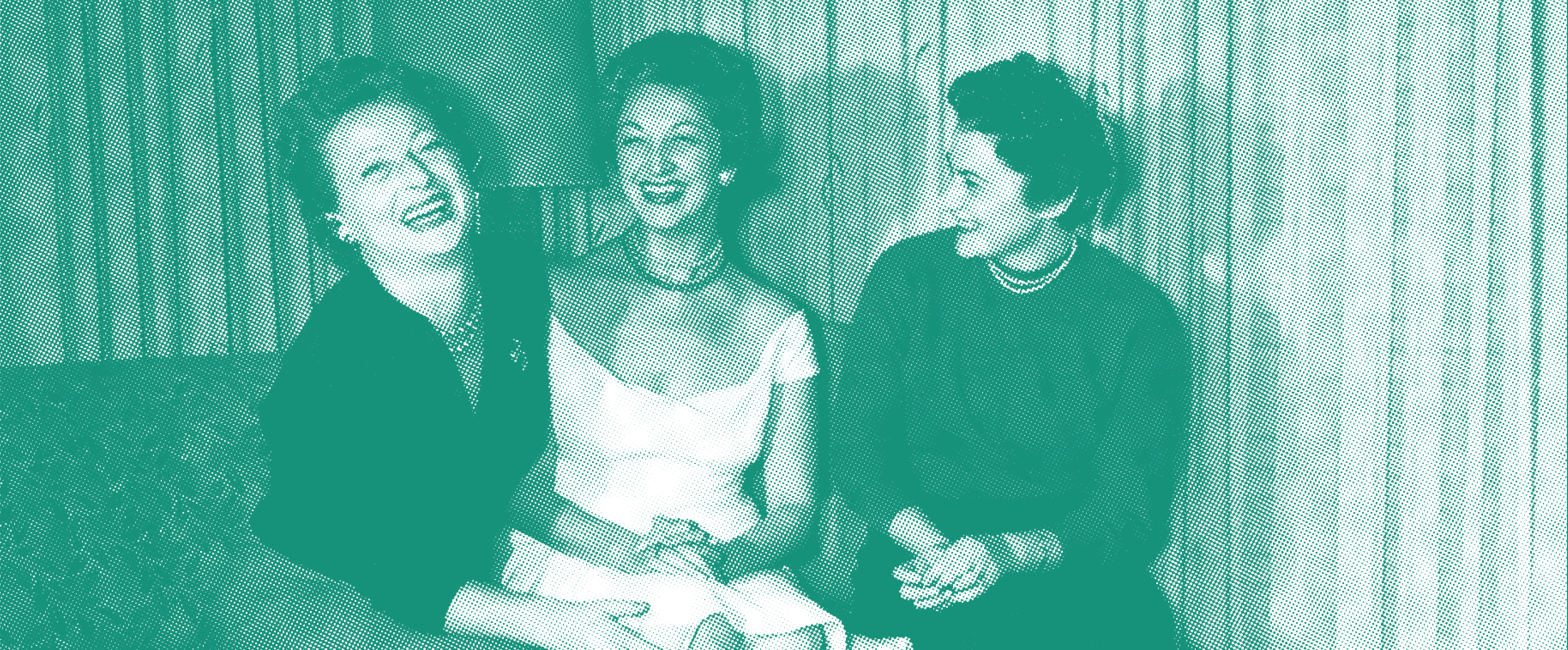
I got my start in the enterprise at a young age — maybe 3 or 4. During what can only be described as marathon holiday cooking sessions, my dashing grandmother, Esther, and mother, Sandi, would post up in my family’s white Formica kitchen in the New York City suburbs. In one day they produced what I now understand to be an astounding amount of food: chicken soup with either kneidlach or kreplach, a delicate chopped liver, ginger-sweetened stuffed cabbage, a mostly orange-colored tzimmes, potato kugel, and a sublime amethyst Jello mold. For Pesach, there was a diaphanous sponge cake manifested from a dozen eggs and a shredded orange that seemed to embody the concept of the miraculous itself.
(If you’re wondering, “Where’s the green vegetable?”, remember, this was the 1970s.)
My grandmother was a compelling woman, the New Jersey-born daughter of teenage immigrants from Poland’s Bialystok and the Russian city of Slutsk. She wore her deep wrinkles and her white hair proudly and had many loves in addition to her nine grandchildren, whose birthstones she wore on a pendant around her neck. There was playing the quarter slots in Atlantic City, joining her fellow travel agents on comped cruises around the glinting, azure Caribbean, and games of canasta and mah-jongg with her best friends at her kitchen table in Queens.
And yet, here she was, spending the day with us in the suburbs, preparing for family holiday meals instead.
Even at a young age, in an oversized apron, as her apprentice, I felt alive, powerful and competent. Amid all the chopping, peeling, slicing, and mixing, I learned to love not only the tactile pleasure of the preparations but the deep sense of belonging I felt in my grandmother and mother’s presence. Through their conversations I also learned what could be lost. There were cousins hooked on drugs and others who went off around the world to find the meaning of life in other traditions.
Even as a child, I thought: “Not on my watch.”
As I got older, I became the muscle behind the gefilte fish operation. (After all, it requires a lot of chopping.) And even when I lived four hours away from my mother and grandmother, I always came home to cook for the holidays. In some way, it was how I marked time.
I even came out as a lesbian to my grandmother while making gefilte fish for Passover one year. Her first response? “Do you think there’s enough salt in the fish?” This was the late 1980s, when there were no lesbian Winter Olympians proposing on national TV, no lesbian governors, no lesbian comedians with HBO specials, no cashiers at the local supermarket wearing Pride flag pins and rainbow barrettes. True to her embracing nature, my grandmother quickly righted herself, asked a few questions about AIDS – again, it was the late 1980s – and whether it would still be possible for me to have children.
She loved me for who I was, not who she once wanted me to be.
Now that my mother and grandmother are gone, I understand better what it is that can be lost, and how it is up to me and the gefilte fish to hold their memory. I make it in my own kitchen with friends every year before Pesach and Rosh Hashanah. And I, too, have been blessed with an apprentice. That my daughter, Naomi, comes home from college with her friends to cook gefilte fish for the holidays is really the great accomplishment of my life.
All day in the kitchen for gefilte fish? For me, it is definitely worth it.