...
Greek, Balkan, and Turkish Recipes from Jewish Families
...
38 Recipes


Greek, Balkan, and Turkish Recipes from Jewish Families
...
...
38 Recipes
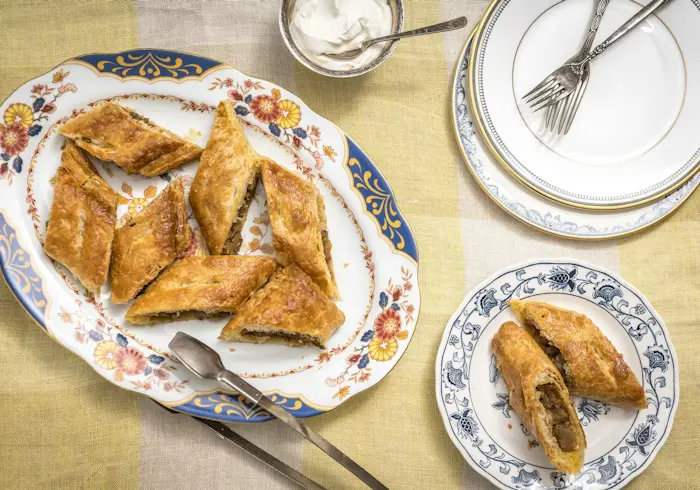
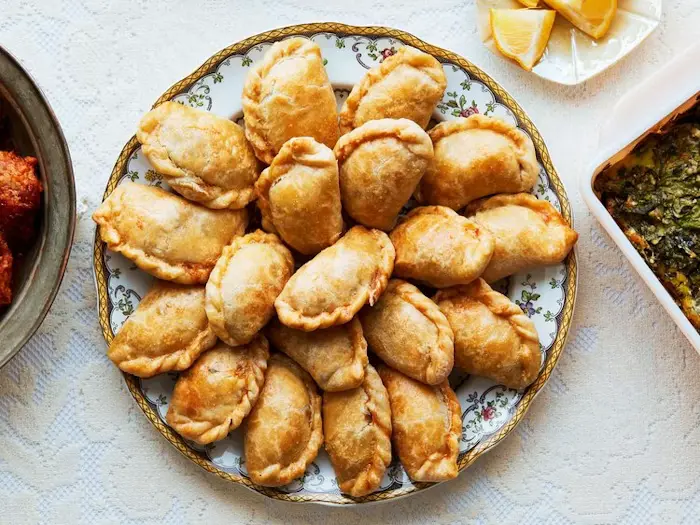
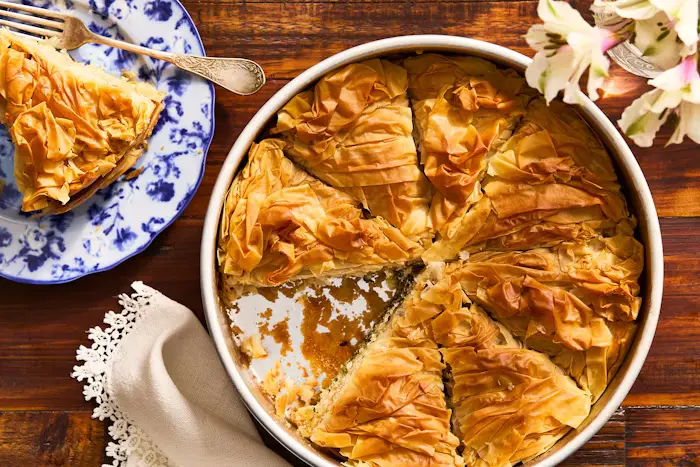
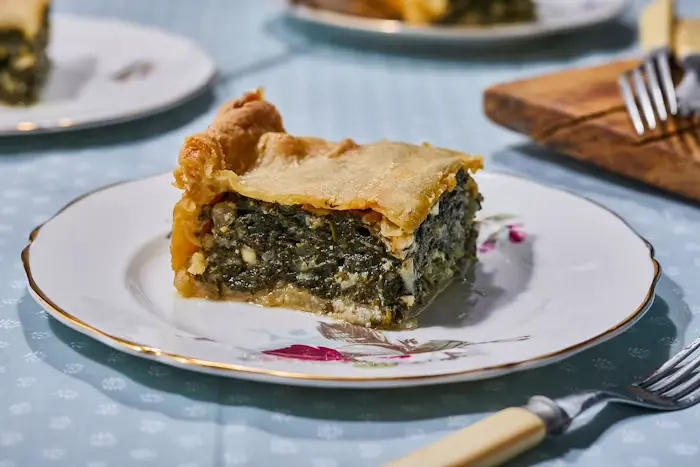
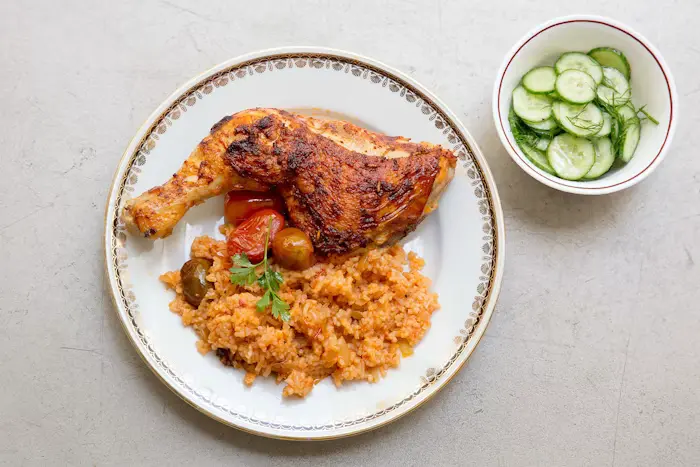
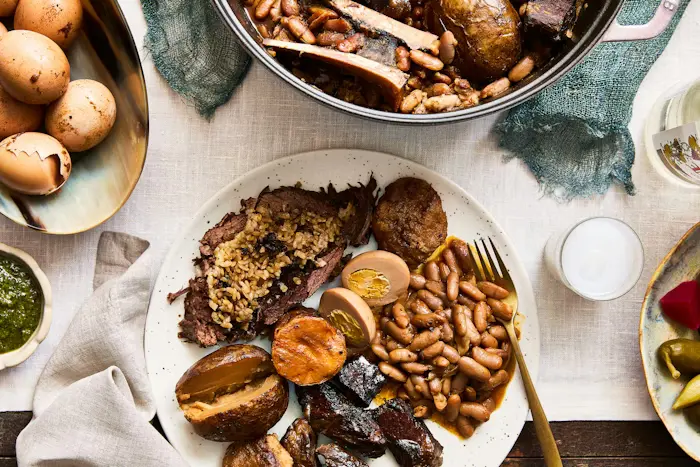
The tables of Jewish families from Turkey, Greece, and the Balkans are often laden with flaky pastries like bourekes filled with spinach and cheese, little pies called pastelikos, and vegetables like eggplant and zucchini that grow in abundance in the sun-filled region. Their cooking is a blend of local dishes, Sephardi cooking traditions that have endured for 500 years, and dishes from one of the oldest Jewish communities in the Diaspora. “But by now, it is difficult to unravel what is Iberian from what is Turkish, Greek, Balkan or Arab,” writes Claudia Roden in “The Book of Jewish Food.”
Nearly 2,300 years ago, the first Jews arrived in Greece; it’s believed that they were taken as captives of the Seleucid king Antiochus. Known as Romaniote Jews, they integrated into Greek society and spoke Greek, but maintained Jewish customs.
More than 1500 years later, during the Spanish Inquisition, when Jews were exiled from the Iberian Peninsula, Sultan Beyazit II of the Ottoman Empire invited Jews to move east, saying Spain’s loss was the Empire’s gain. Sephardi, or Spanish Jews, arrived in droves, settling in what’s now Turkey, Greece, and the Balkans, and were joined by Jews from Italy and Hungary. Their numbers overwhelmed those of the Romaniote. In some cities and towns, Sephardi customs, language, and food traditions were adopted by Jews who were already living there.
“Some Turkish and Balkan cities became bastions of Jewish life. Salonika (now Thessaloniki), Smyrna (now Izmir) and the island of Rhodes, where Jews became the majority of the population, were like diminutive Jewish republics,” Roden adds. In Salonika, which became the most important hub of Sephardi culture, Spanish was the primary language spoken, not Greek. A large Jewish community also grew in Constantinople, present-day Istanbul.
Jewish population in Muslim lands, including Turkey, started to decline in the 18th century; by the late 19th century, many Jews emigrated to the Americas and Egypt. At the same time, there was a Renaissance in the Balkan and Ottoman Jewish communities.
But, as the Ottoman Empire started to fall in the early 20th century and nationalist movements rose, much of the local Jewish population left. Many of those who remained in the Balkans and Greece until World War II were murdered by the Nazis while some, like Etty Leon’s grandparents, survived in hiding or moving almost constantly.
Today, a relatively small Jewish community — approximately 5,000 — remains in Greece, with another 15,000 in Turkey. Romania and Bulgaria are also home to active Jewish communities.
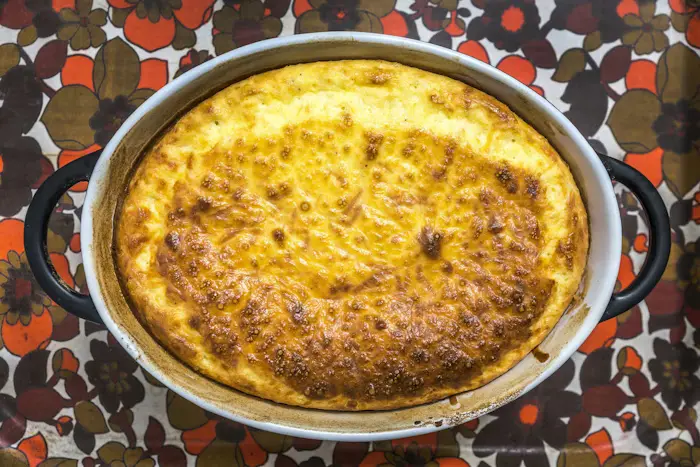
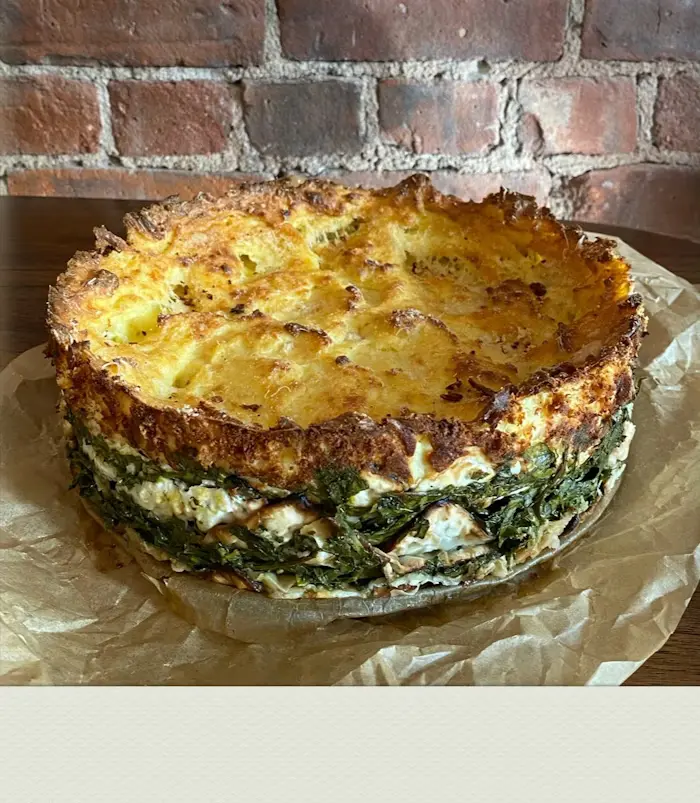
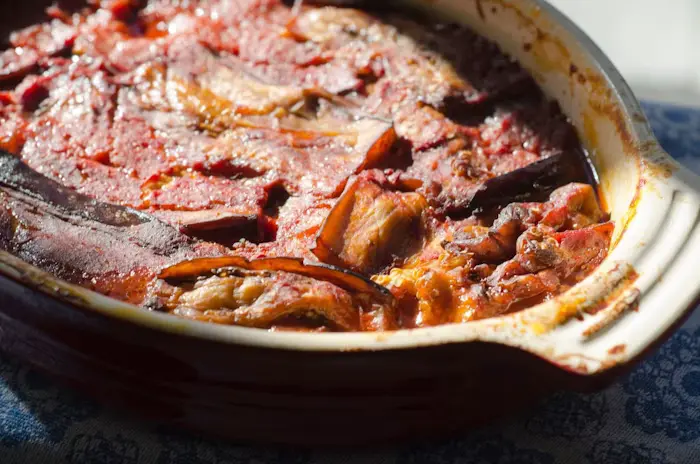
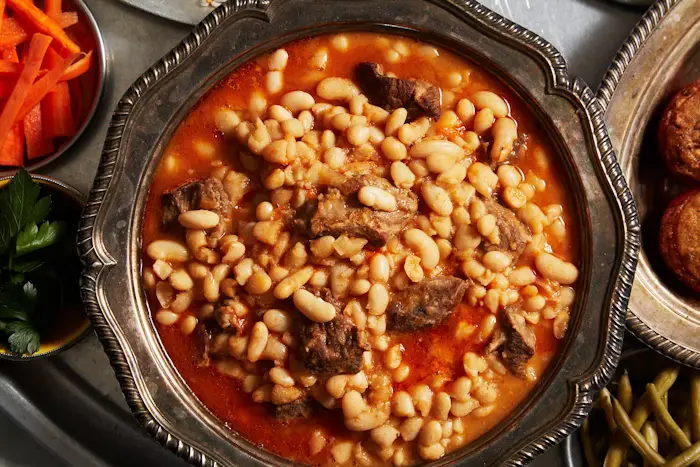
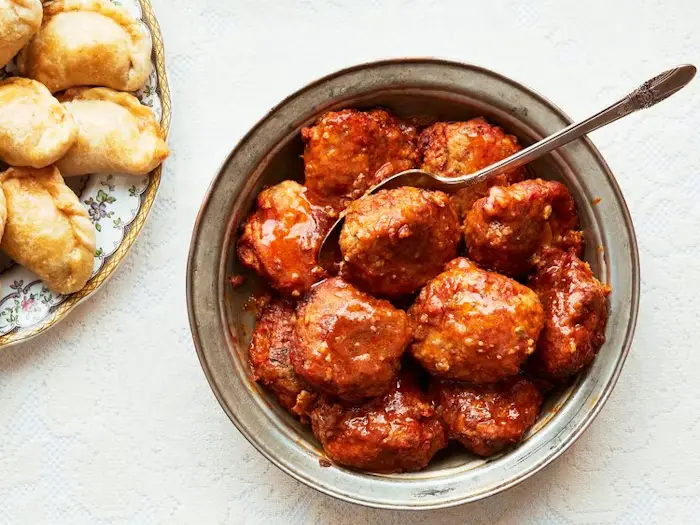
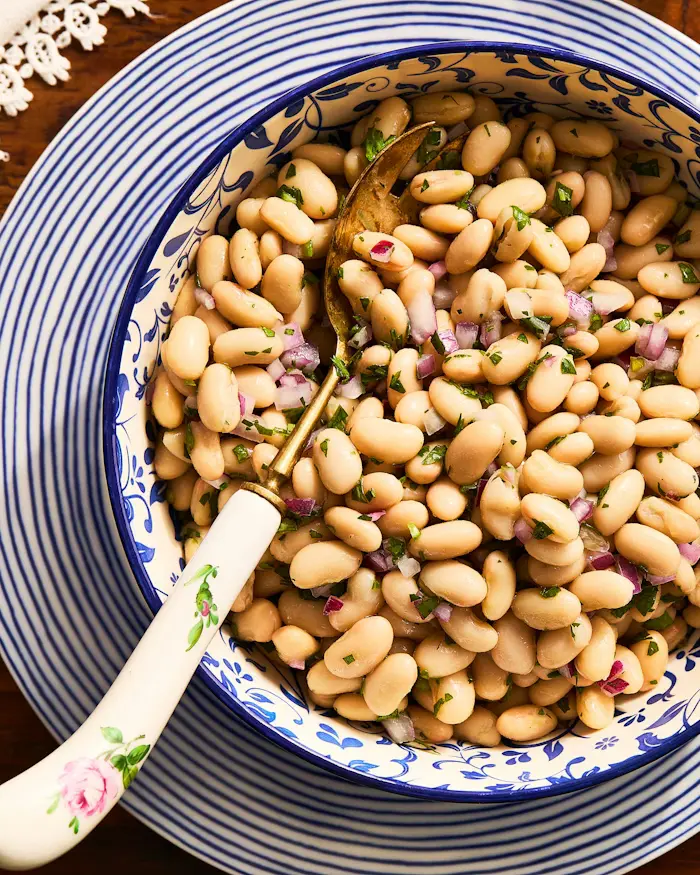
In this collection, you will find a mix of Sephardi recipes made in the region, along with those adopted by Jewish cooks like spanakopita and Romanian mamaliga, as well patrigian mi tiri, an eggplant and cheese casserole Annette Fromm says is unique to the Romaniote community.
Try recipes from Central Asian, Iraqi, Persian, Latin American, North African and many other Jewish families.
In this collection
...
...
38 Recipes