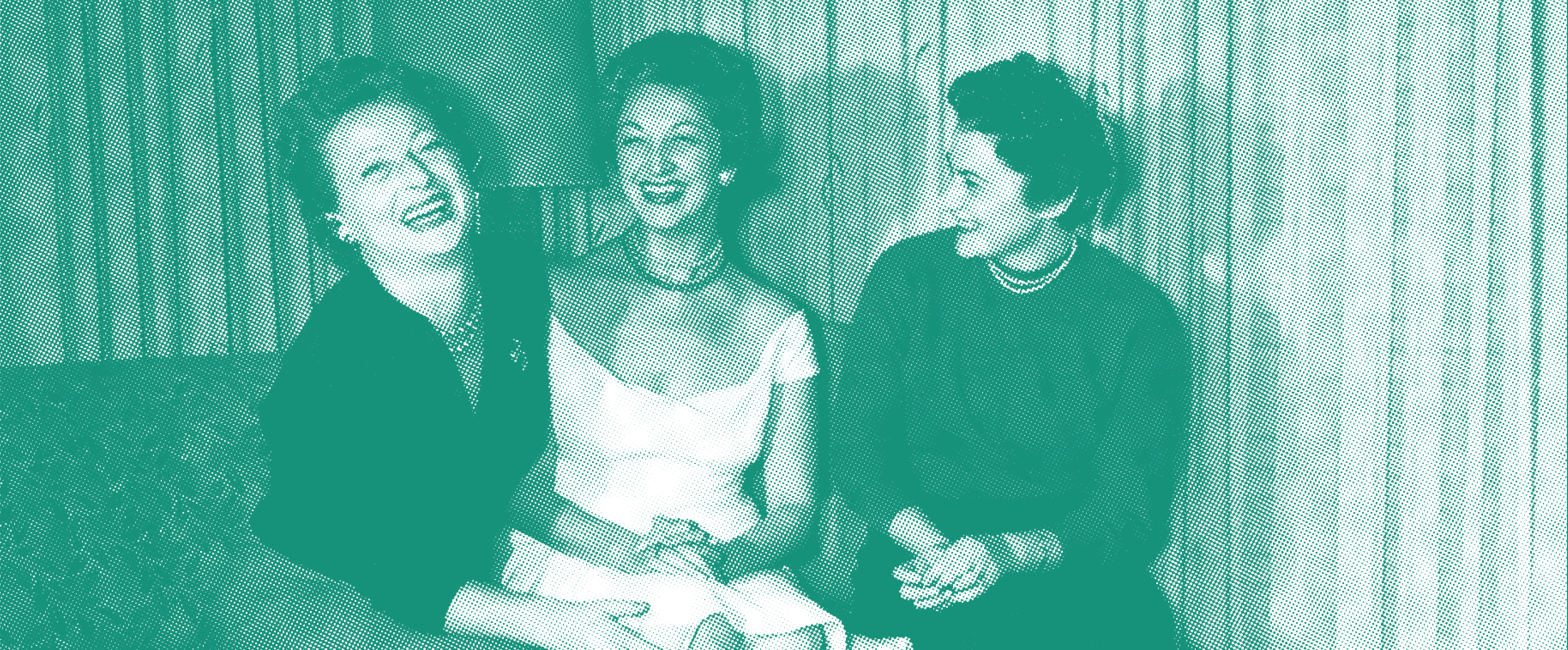
Shared by Frankie Wallach


When Julia Wallach was 10 years old in 1935, she moved into an apartment in Paris’s 11th arrondissement. At 101, she still calls the cozy apartment, with its brimming makeup cabinet and pantry, home. It’s where she raised her two children. Over the years, it played host to family gatherings for Rosh Hashanah and Yom Kippur and it served as a film set for her granddaughter Frankie, who featured Julia in her films “Trop d'amour” (“Too Much Love”) and a short film called “Kneidler” (“Matzah Ball”) for the Grandmas Project. Like all the best homes, it is a world to itself.
Julia’s 90 years in the apartment were only interrupted once — when she was deported to Auschwitz in April 1943. She was born in France, but her parents were from Poland, but her father was forced to flee as a high ranking member of Jewish socialist party The Bund.
During the war, her mother Marie was taken first; later, when officers arrested Julia, her father came out of hiding in a closet to stand beside her. They left together for the camps and he told her, “Julia, you have to live, you have to tell [people about] everything.” She never saw either of her parents again.
Julia survived Auschwitz by working in the camp’s kitchen. Even in her 90s, when Frankie filmed her grandmother making matzah ball soup, Julia said she never learned to use a peeler — it was unnecessary after peeling potatoes with a knife in the camp.
After the war, Julia fought to regain control of the apartment, returning to it as the sole survivor of her immediate family. Her father had hidden a pill bottle of gold coins in a wall, which helped her start her life again. Three months after the war, Julia met Frankie’s grandfather, Marcel, who was imprisoned in Buchenwald. Their wedding was somber, but Julia found joy when she had her first child.
Throughout her life, Julia followed her father’s edict. She took Frankie out to lunch often, always at the same restaurant, L'Entrecôte, and told her stories of her life and time in the camp.
The duo developed a special relationship where they could joke, even about the darkest moments in life. In “Kneidler,” they laugh about how wrinkles made the number tattooed on Julia’s arm blurry, as if they had started to wash off, and how her hair, which became frizzy after she suffered from typhoid in the camps, looks like Marilyn Monroe’s — sex appeal and all. Frankie started filming her grandmother because she feared her children would never meet her, and she wanted to tell Julia’s story to a younger generation in France.
****
Julia was an excellent cook who took pride in preparing French dishes everyday and reserved Ashkenazi ones like her matzah ball soup, kreplach, and gefilte fish for holidays. She passed them along to her daughter-in-law Yankelle, who took over the responsibility of hosting the family for Rosh Hashanah when she married Julia’s son Patrick.
The meal always starts with Polish vodka and lekach, a honey cake from Sasha Finkelsztajn, a Jewish bakery and catering company in Paris, where the family also buys their bagels, chopped liver, herring, and pickles for an appetizer spread. “It's really part of our family tradition,” Frankie explains. In the early years, Julia would bring her homemade gefilte fish, too.
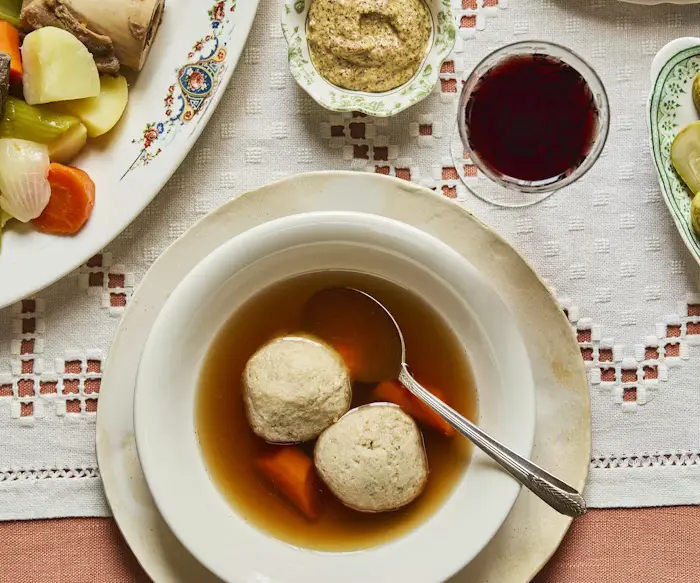
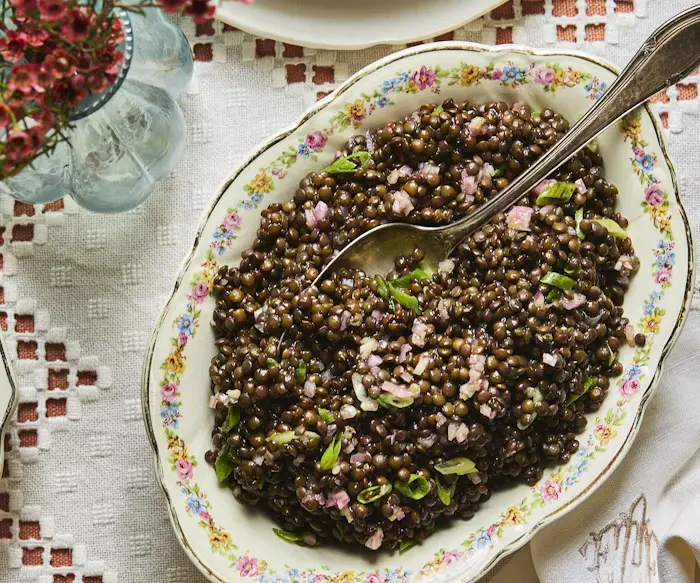
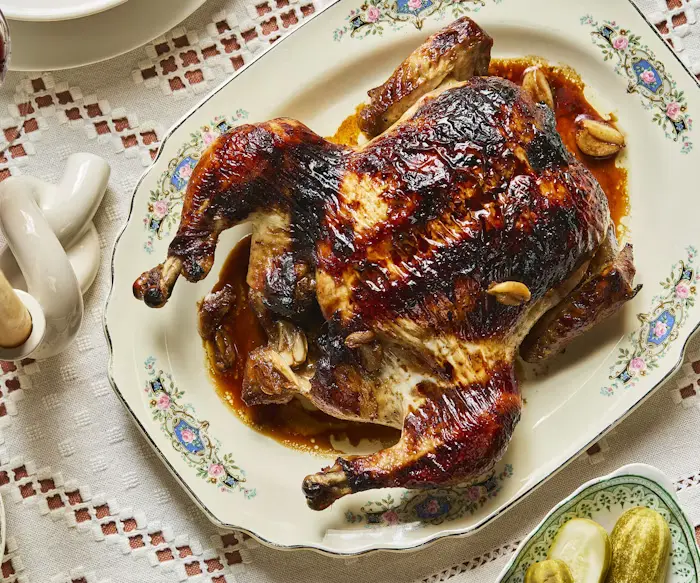
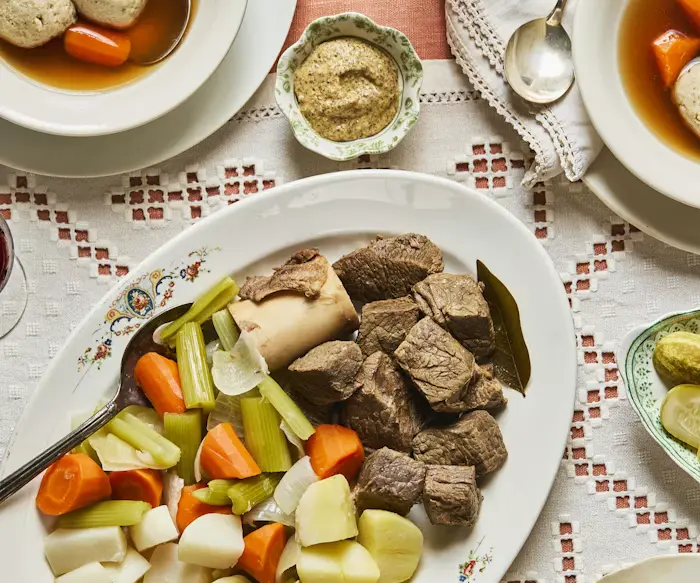
Yankelle updated Julia’s recipe for matzah ball soup, serving it in a beef broth. The tender beef that remains is served with pickles and Dijon mustard, a French flourish. And Yankelle added her own honey and soy sauce roasted chicken and lentil salad with her famed vinaigrette to the holiday table.
When Julia stopped cooking, she was grateful to still taste Ashkenazi food when Yankelle cooked for her. “In French, we say [it’s a] 'madeleine de Proust,’” Frankie says, a food that brings one back to childhood and the past.
Today, the family is so large that it’s hard for any one relative to host everyone for Rosh Hashanah, but they are finding ways forward. “It's a tradition that we don't want to lose,” Frankie says.