Shared by Sarah Sassoon
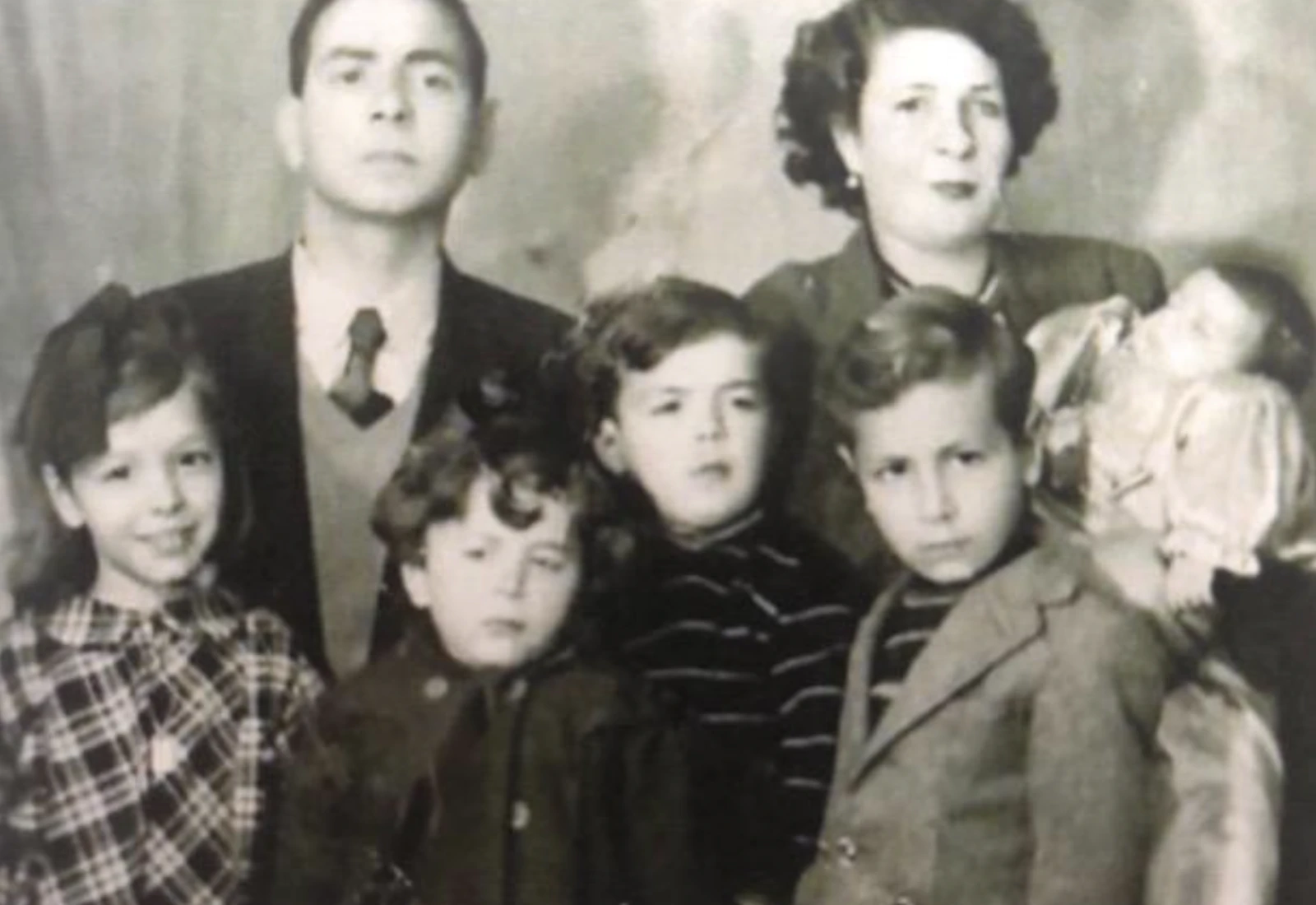

“I was brought up with a lot of silence,” explains writer Sarah Sassoon. She was surrounded by the music and food of her Iraqi Jewish heritage, and grandmother Aziza would tell her that they lived in the Garden of Eden. But she knew little else about her family’s rich history in the country that Jews called home for nearly 2,600 years and their painful exile.
“It was the Garden of Eden — until it wasn't,” Sarah says. As an adult, she learned more about The Farhud, the 1941 pogrom, and how Jews were forbidden to leave the country until a decade later when her father’s family immigrated to Israel. Leaving their home and settling in makeshift camps called ma’abarot was so traumatic, that many stories of that time were left untold. “It's unusual for me to meet an Iraqi who says they grew up with the stories,” Sarah says. “I've discovered so many skeletons in the closet of my family.”
In the late 1960s, her father’s family moved to Australia. Growing up, she spoke a mix of Hebrew, English, and the Judeo-Arabic of the Iraqi Jewish community with her grandmother Aziza. “She would cook for us, and that’s how we communicated,” Sarah says. She made halek, or date syrup, for Passover, date-filled cookies called b’ebe b’tamer, pickles, kubbeh soup, t’bit for Shabbat, and much more. Aziza first learned to cook for pilgrims visiting the Tomb of Ezra, the biblical figure, near where her family lived in Al Uzair in southern Iraq.
When Sarah became a mother at 22 in Johannesburg, she started documenting her grandmother’s recipes. “I set out on a quest to recover her recipes, but to make them as genuine and authentic as possible to the way they were made in Baghdad,” Sarah says.
She called Aziza and jotted down the instructions for preparing things like sweet apple jam for Rosh Hashanah with whatever she had with her — Sarah wrote that one down in colored pencil. “I just look at how ridiculous I was at recovering these very important recipes in such a haphazard, kitchen way,” Sarah says. But, “that's the way it's actually meant to be. It's meant to be lived.”
Aziza passed away in 2009, but Sarah continues to delve into Iraqi-Jewish history, celebrating the culture her family comes from and the flavors of her grandmother. She references cookbooks like “The Best of Baghdad Cooking” by Daisy Iny and others. “I sit with all the Iraqi books in front of me and try to figure out what my grandmother's [recipe] tasted like,” Sarah says. She also gets cooking advice from her neighbor from Mosul and a group of older Iraqi Jews who meet up regularly in Jerusalem, where she now lives. “Everything they tell me is a treasure,” Sarah says.
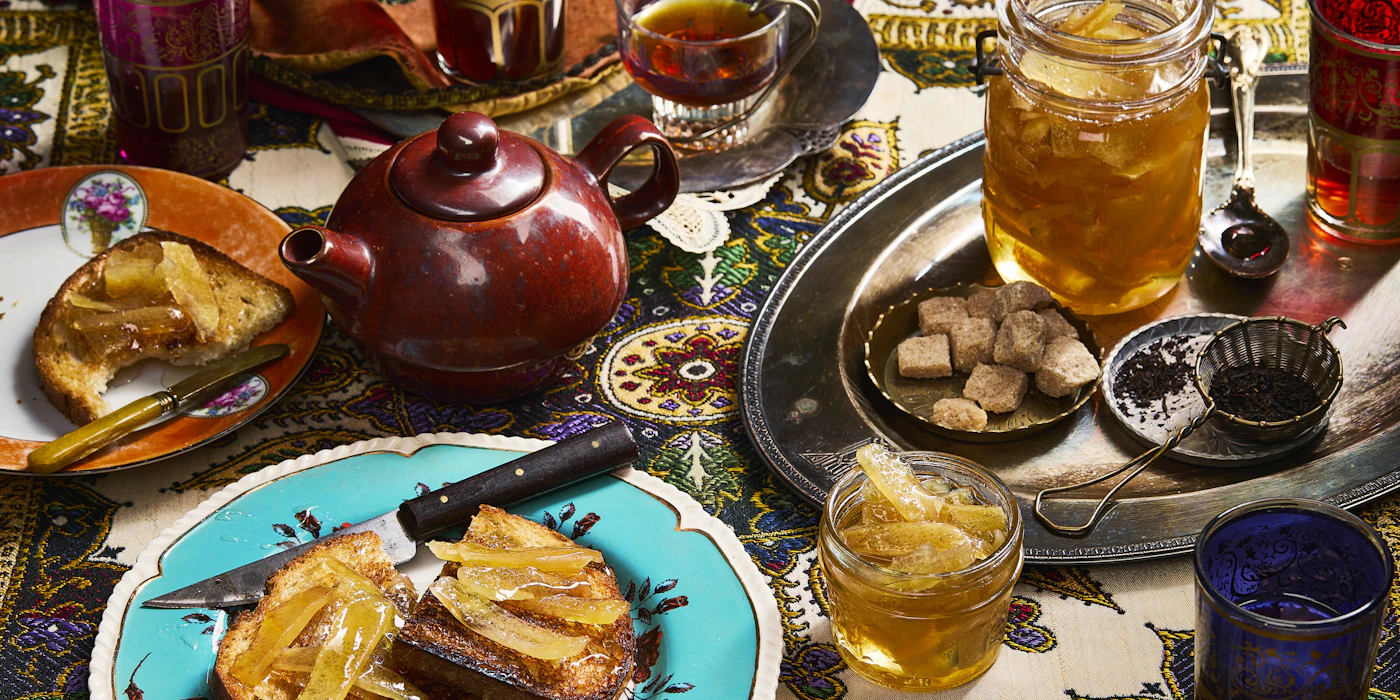
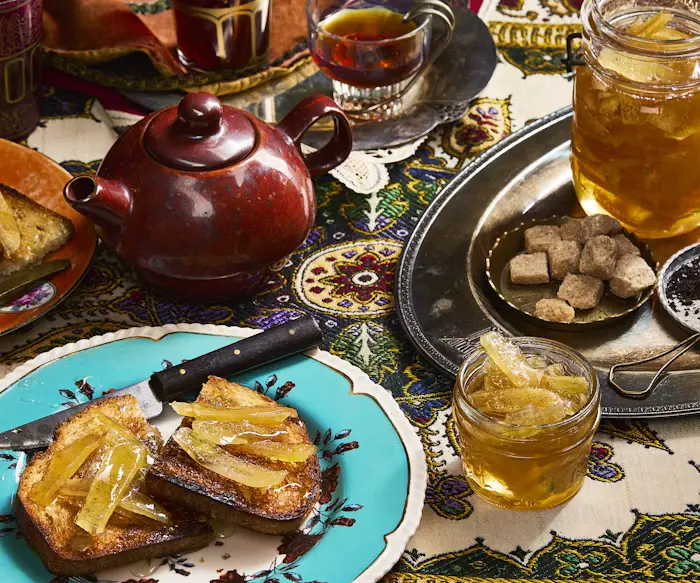
One of the recipes she’s working to reconstruct is an etrog preserves, made with leftover etrogs, a type of citrus used along with three other “species” in the celebration of Sukkot. While Sarah doesn’t remember Aziza making this preserve specifically, she recalls her grandmother’s quince jam and the community’s strong tradition of preserving foods from fleeting seasons. Sarah’s rendition is a blend of a recipe for grapefruit or citron peel jam from Iny’s book and one from the wife of a distant relative Sarah met at a coffee shop.
It’s one of many she’s brought back to life in her kitchen. “Every year, I add more new recipes that I didn't make before,” Sarah adds.