Shared by Dor Gil

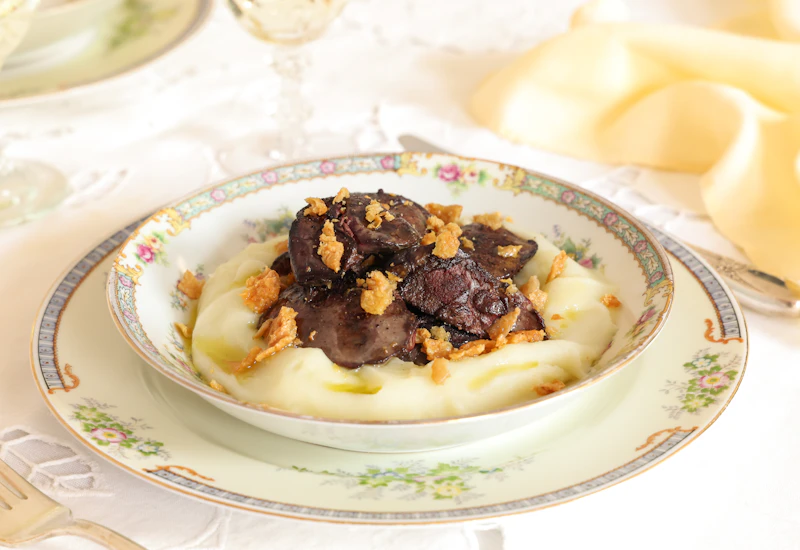
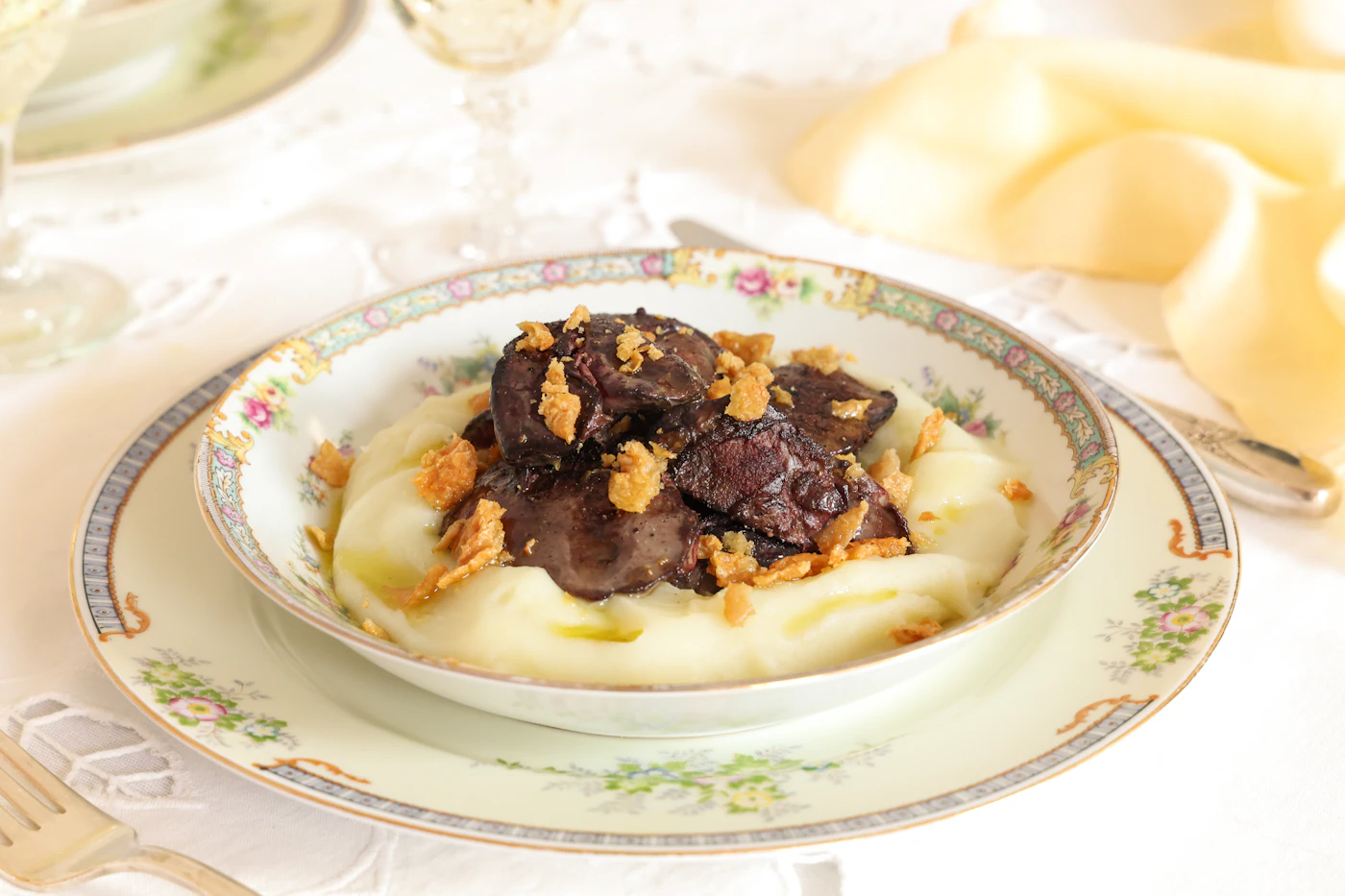
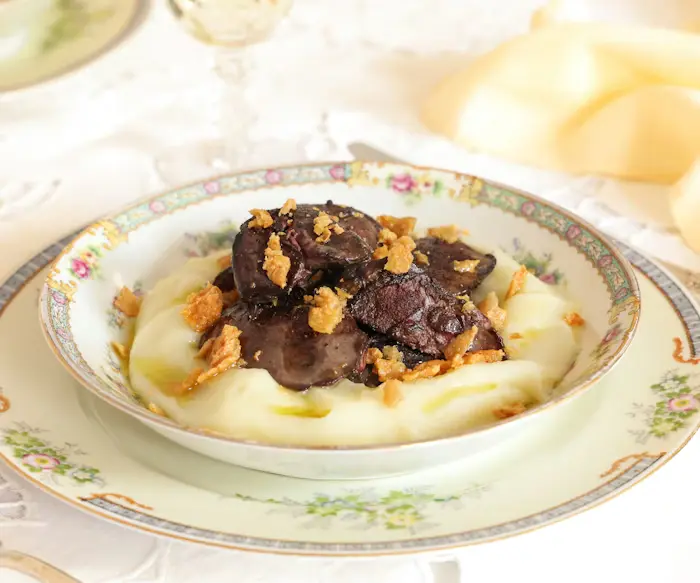
By early February, Dor Gil had already told his partner’s parents what he planned to cook for them for the last meal of Passover, two months later. Following in the footsteps of his grandmother Hedy, he’s making fried chicken livers, mashed potatoes, and gribenes (poultry skin that’s rendered until crispy) on what’s known as Chag Sheni, or the second holiday. The meal is “kind of the Ashkenazi Mimouna,” Dor says, referencing the Moroccan custom the evening after Passover ends.
Like Dor, Hedy started preparing for the meal well in advance, asking her butcher to set aside chicken and goose skin so she could make enough gribenes for everyone in the family. “She always spoke so highly about her relationship with the butcher and that he saved it for her, only for her,” Dor shares.
Chag Sheni was the holiday meal everyone in the family looked forward to the most when Dor was growing up, even more so than Seder. Hedy served the livers and potatoes alongside a tuna mousse set in a kugelhopf cake pan and a spritz made with inexpensive white wine from the supermarket and sparkling water, which his grandparents always had in their home. No one in the family knows where the tradition originated, but Dor’s mother Orit remembers tucking into the meal as a child with her grandparents, Gershon and Ester, at the table.
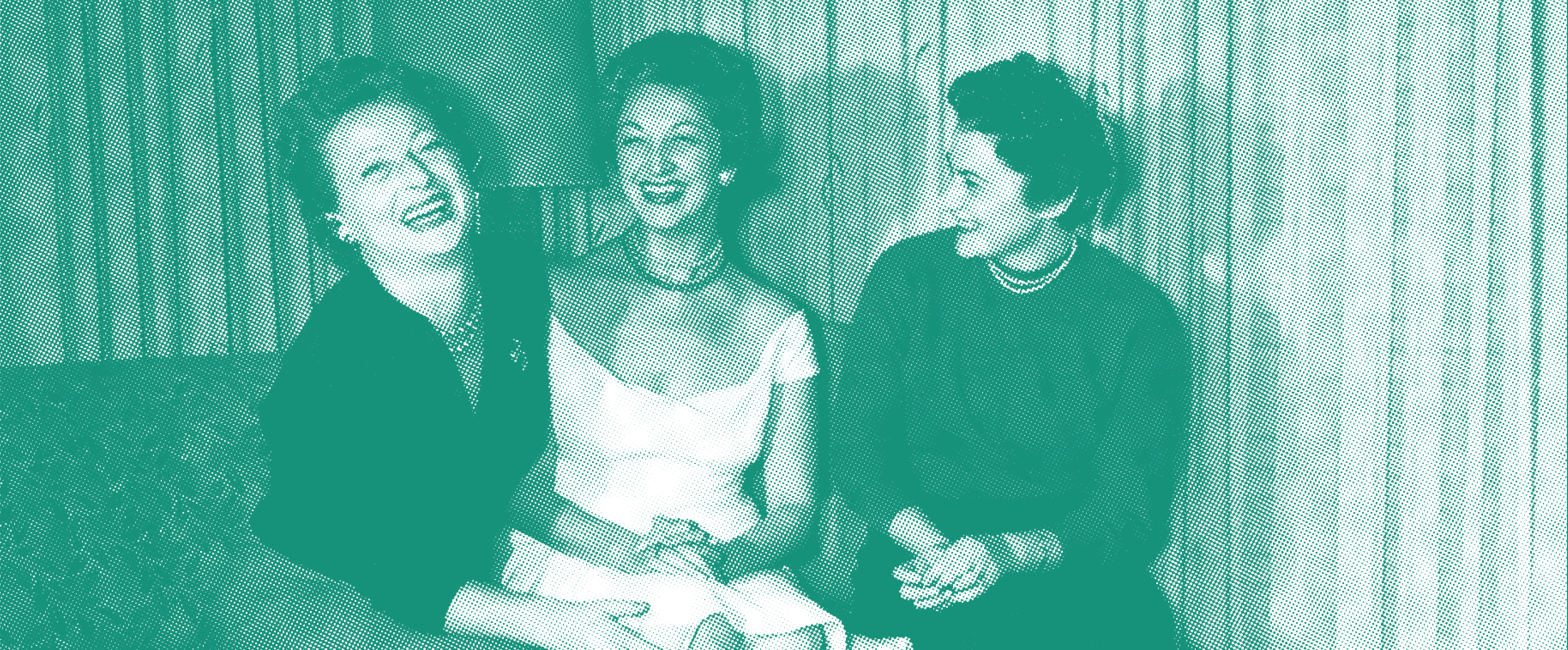
Hedy was born into a religious family in Ștefănești, Romania and was named Klara, but always preferred to use the name Hedy after the famed actress Hedy Lamarr. Around 1930, her family bought land in Haifa, where they planned to move someday. But, in 1941, they were still living in Europe and were forced to flee east during World War II. They moved from one place to another, managing to survive. When the war ended, they tried to return to their village, but there was little left. So they made their way to Israel through a refugee camp.
Within the first few weeks of arriving, Hedy met Arie (who was born Lieb), a fellow Romanian immigrant who served in the airforce for 25 years. “They had the deepest love I’ve ever seen,” Dor shares. They spent their lives moving for his job to places like New York and Quito, Ecuador, and Hedy picked up languages as they went along, speaking more than 10 during her lifetime.
After their travels, they settled in Tel Aviv and Dor always lived within walking distance of their home. When he was a teenager, he asked his grandmother to teach him some of her recipes. She was known for her pickled watermelon, gefilte fish, and the kreplach that she stashed in her freezer. And after she passed, Orit found a book in which Hedy had written down over 300 recipes she collected.
When Hedy was no longer able to host the Chag Sheni meal, the tradition stopped for a number of years. “There was one point that something clicked in my mind,” Dor says. He spent time with both of his grandmothers, documenting some of their recipes including this one. But, it wasn’t until Hedy passed that Dor prepared it for the first time. When he told his butcher why he needed so much chicken skin, the butcher got emotional and saved him a large bag of it. “I made it for my father, mother, and sister — the only people left from this tradition,” Dor says.
This year, he will make it for his partner and her family in Switzerland. After all, the meal has been in the works since the winter.