Shared by Nechama and Anat Rivlin


The decade following the founding of Israel was marked by the tzena, a period of austerity where foods like meat were scarce. Ingredients for patties were often stretched with bread, and in some cases, bread became the primary ingredient and a small quantity of lamb was added as seasoning.
This easy recipe comes from Nechama Rivlin’s mother Drora, who was born in Bilozerka, Ukraine and immigrated to Mandatory Palestine in the 1920s. It’s readily adaptable: You can use ground beef instead of lamb and swap the thyme for parsley and/or cilantro, if you like. Any kind of white, unsliced loaf of bread is fine. Sourdough, sandwich bread, or stale challah will all work well.
Soak the bread in water for 5-10 minutes, until soft but still holds its shape. (If using challah or very soft sandwich bread, this may take only 1-2 minutes)
Place the olive oil in a skillet over medium heat. Add the onion and sauté until translucent, stirring occasionally, about 5 minutes. Add the garlic, green chili pepper, thyme, and cumin seeds and sauté for 3 more minutes until fragrant. Add the meat and cook for another 5-10 minutes while breaking it into smaller pieces with a wooden spoon. Add salt and black pepper to taste, transfer the mixture to a bowl and let cool for a few minutes.
Squeeze as much water out of the bread as possible. Crumble the bread into small pieces and add them to the onion and meat mixture. Add the beaten eggs, salt and pepper to taste and knead the mixture until well combined.
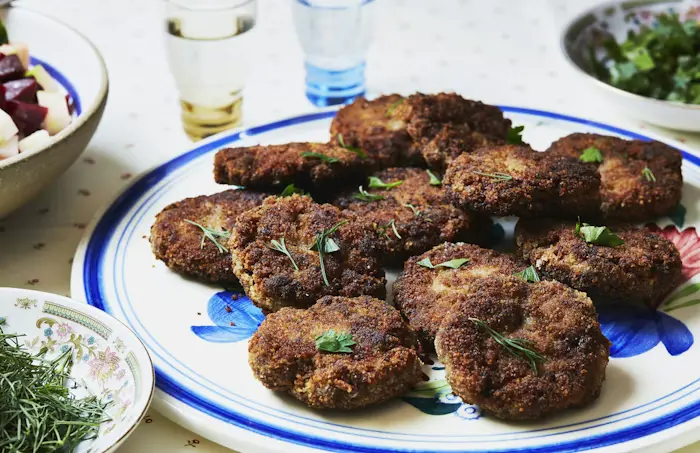
With lightly oiled hands, form 15 flat circular patties that are about 2 inches wide and 1 inch thick.
Add ½ inch of oil to a wide pan over medium heat. Once the oil is shimmering but not smoking, gently place a few patties in the pan and fry them for about 5 minutes per side, until golden brown. Transfer the patties to a paper towel-lined plate and continue frying the rest.
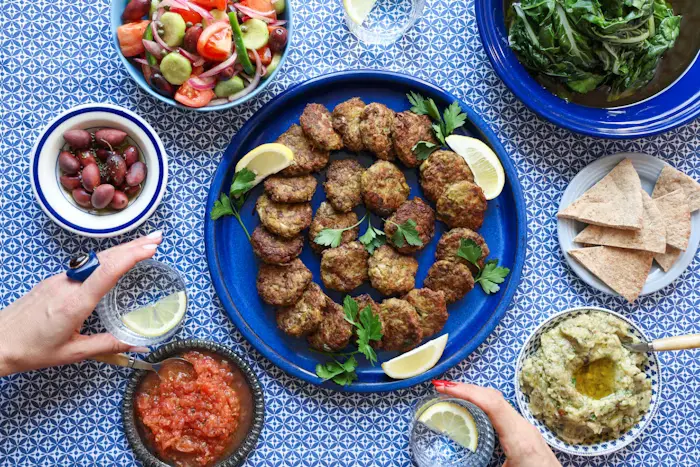
Serve hot with lemon wedges.
This recipe first appeared on the website of Asif: Culinary Institute of Israel. Find more Asif recipes here.