Shared by Rottem Lieberson



1 tablespoon pomegranate seeds for garnish

Pomegranate seeds for garnish


3 tablespoons olive oil
Roasted unsalted pistachios, finely chopped


1 tablespoon pomegranate seeds for garnish
Pomegranate seeds for garnish
3 tablespoons olive oil
Roasted unsalted pistachios, finely chopped
As a young girl, Rottem Lieberson always knew when the spring festival of Shavuot was approaching. Her grandmother Hanom would make fresh pasta and hang long strands of it on the laundry line outside of her window. Rottem still remembers seeing the pasta drying in the sun on her way home from school.
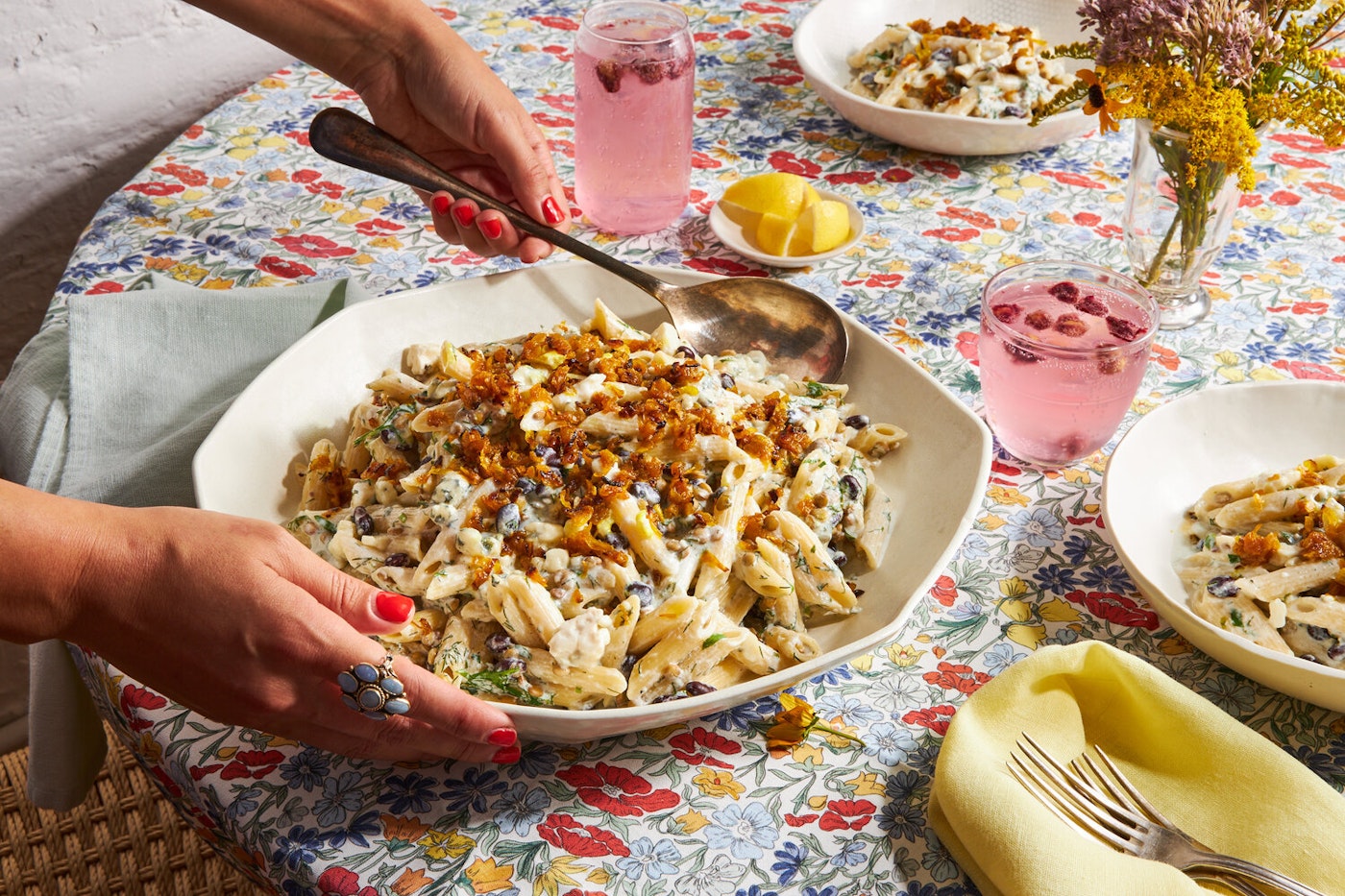
For the holiday, Hanom would mix the pasta with lentils and beans, load it with fresh cilantro and dill, and toss it with goat's milk yogurt. She would then top the final dish with kashk, a fermented and dried yogurt that’s formed into a ball and grated like parmesan, which she sourced from Tehran or Arab grocers in Israel.
The recipe is one of many Hanom brought with her to Israel from Iran when she immigrated as a widowed mother of 10 children in 1955. The pasta was reserved for Shavuot and “if we were lucky,” says Rottem, one other time during the year.
It’s a recipe that’s from a different age, adds Rottem, who is an acclaimed cookbook author. Today, Shavuot is celebrated with lavish spreads of cheeses and cakes across Israel. But, “It wasn’t like that when I was a child,” Rottem explains. “This is the holiday that celebrates the earth.”
Her grandmother would always serve the pasta alongside a salad, bread, and a watermelon from her personal stash. “She used to put like 20 watermelons under her bed... in the dark and eat them one by one in the winter,” recalls Rottem laughing lightly.
Today, with the help of store-bought pasta, Rottem serves her grandmother’s recipe on Shavuot — and whenever she craves it, no luck required.
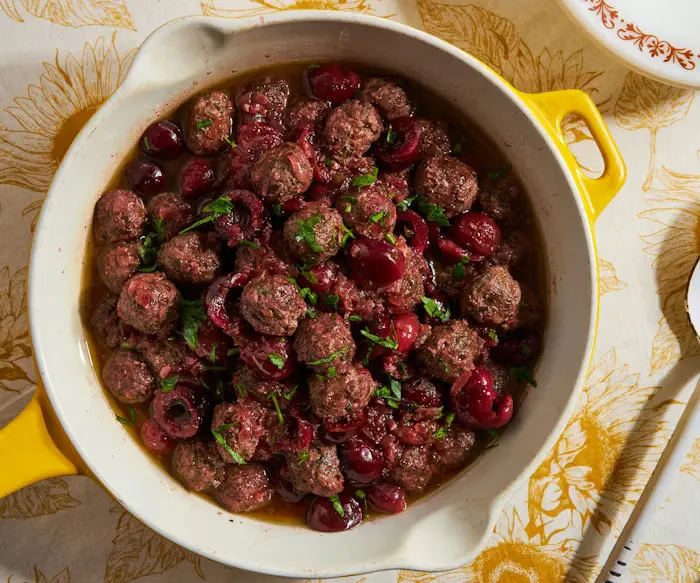
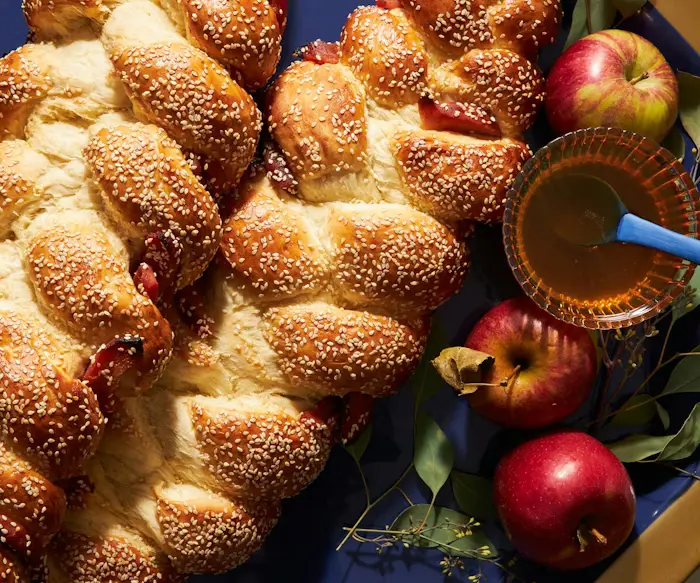
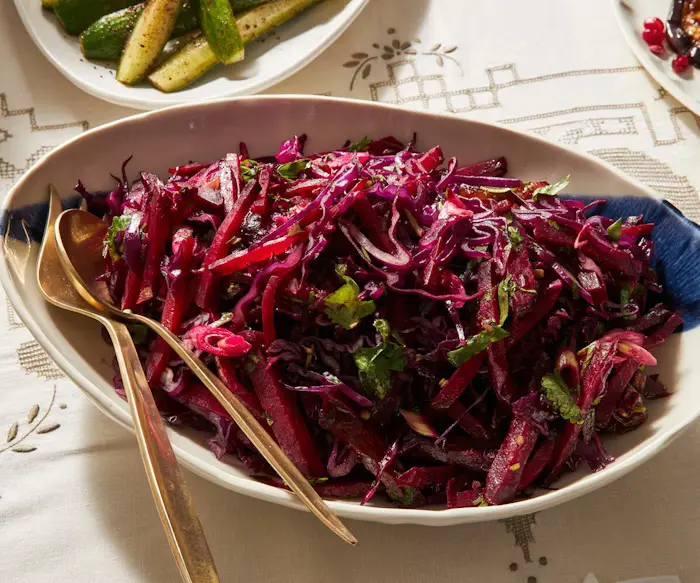
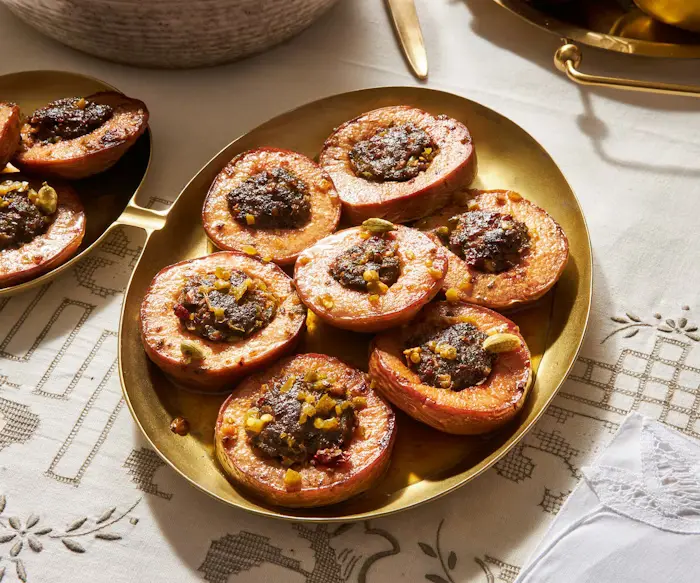
Last fall, Rottem shared a complete Persian Rosh Hashanah menu from her kitchen and Hanom’s including Sweet Challah with Caramelized Quince, Red Cabbage, Date and Beet Salad, Dolmeh Beh (Stuffed Quince with Beef and Cardamom) and much more. Check out the full menu here.