Shared by Yonit Naftali


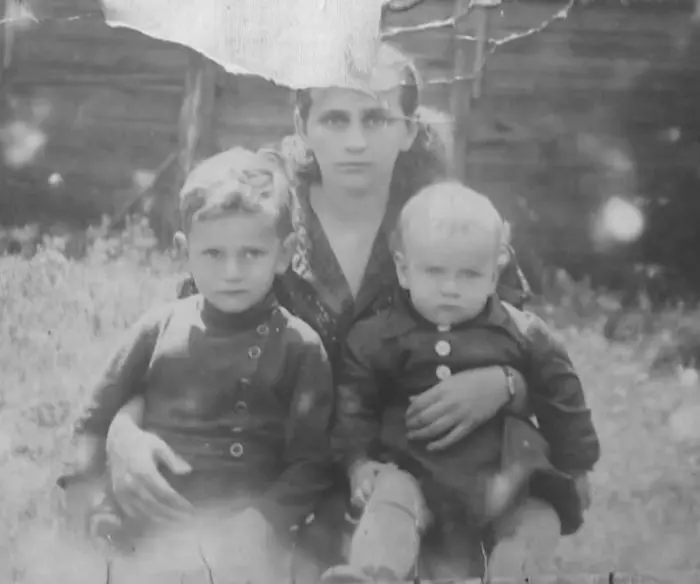
In Yonit Naftali's family, nearly everything and everyone was lost during the Holocaust. After the war, her grandmother said one of the few things she had left were memories of her mother's recipes including these dumplings.
Read more about Yonit Naftali's family in "This Family Holds On to the Past Through Their Purim Sweets."
Beat the eggs in a large bowl and add the cheese, 4 tablespoons sugar, 1 teaspoon vanilla extract, semolina and lemon zest into the eggs. Mix well with a fork or whisk until combined into a batter. Seal the bowl with plastic wrap and refrigerate for at least 2 hours until the batter has thickened.
Fill up a large pot with water and add ¼ teaspoon of salt. Place the pot over high heat and bring to a boil. Once the water is boiling make the dumplings. Transfer the dumpling mixture out of the refrigerator. Take about 1 ½ tablespoons of the mixture and roll it into a ball in between your palms. Gently place the ball into the boiling water. Continue shaping and adding about 4 more balls into the boiling water. Cook the balls until they rise to the surface. Cover the pot with a lid, reduce the heat to medium and continue cooking for another 6 to 8 minutes. Repeat the shaping cooking and draining of the dumplings with the remaining dumpling mixture in batches of about 4 dumplings at a time.
In the meanwhile, make the bread crumbs: Place the butter in a skillet over medium heat. Melt the butter, about 2 minutes. Add the breadcrumbs and constantly stir for about 6 to 8 minutes or until they become a deep golden brown. Transfer the breadcrumbs to a wide bowl. Add 1 tablespoon of sugar and 1 teaspoon of vanilla extract. Mix until combined well.
Roll each cooked dumpling in the breadcrumb and sugar mixture until coated completely. Serve with a dusting of cocoa powder and a dollop of sour cream.