Shared by LP and Yael Stucchi


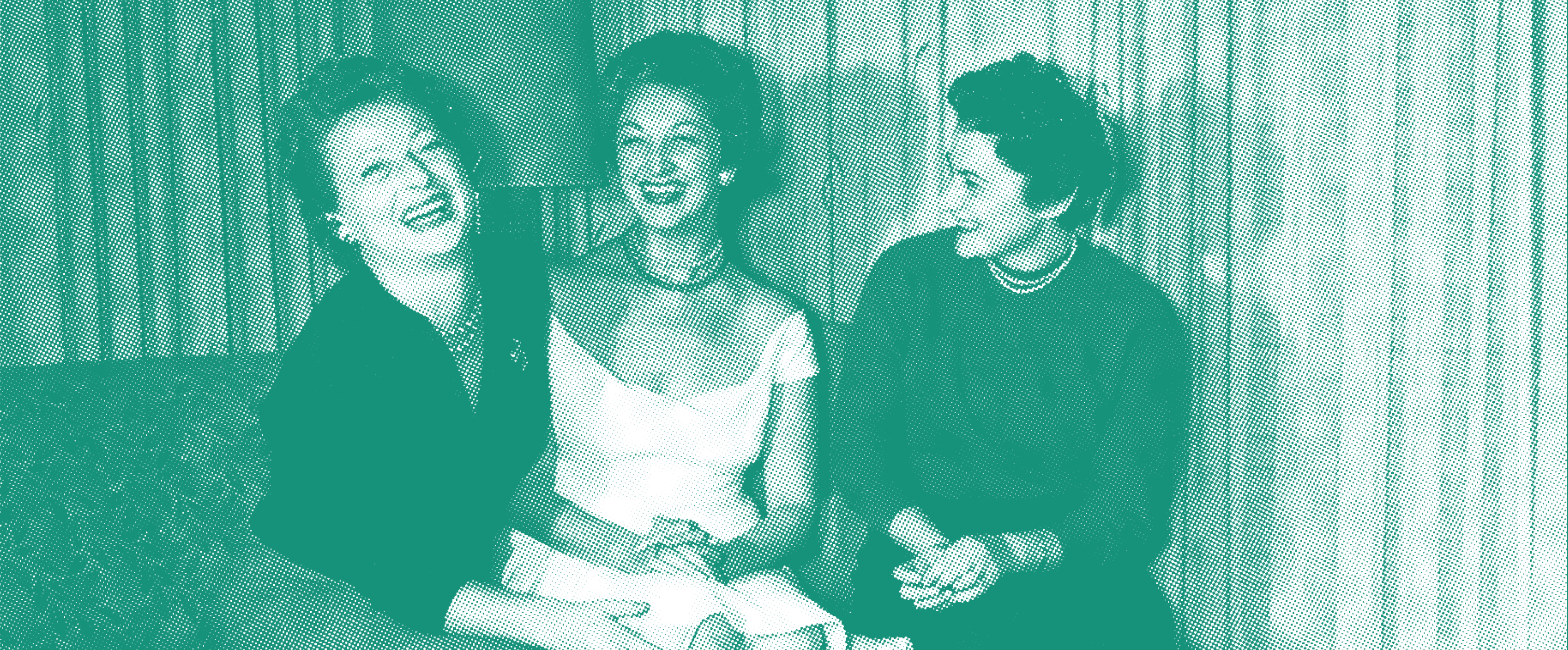
“I grew up in Milan. And, we didn't have any Jewish upbringing,” explains LP (who has asked us to use her initials for privacy). “It was my great grandparents that ended that.” They lived in Italy under Mussolini, who in late 1938 enacted the first of the Leggi Razziali, or Italy’s racial laws. Marriage between Italian Jews and non-Jews was outlawed, Jews were banned from educational institutions, and persecution was legalized in numerous other ways.
In order to protect themselves, LP’s family ceased publicly practicing Judaism, but kept customs and traditions going in secret. On Fridays, LP’s great grandmother Emma would polish candlesticks and move them close together, but not light candles in them. After Shabbat, she would separate the candlesticks. Her husband, Angelo, would lock himself in a room and pray alone. LP’s mother Magdalena remembers hearing sounds through the walls as her grandfather prayed, unable to discern what he was saying.
Through the generations, traditions of secrecy were adopted and adapted in the family. LP recalls her grandmother, Aurelia, lighting candles on Friday evenings, but not saying a blessing. Jewish foods, however, were a constant. “For us, it was all about food,” LP explains. Special recipes would quietly appear on the family table at particular times.
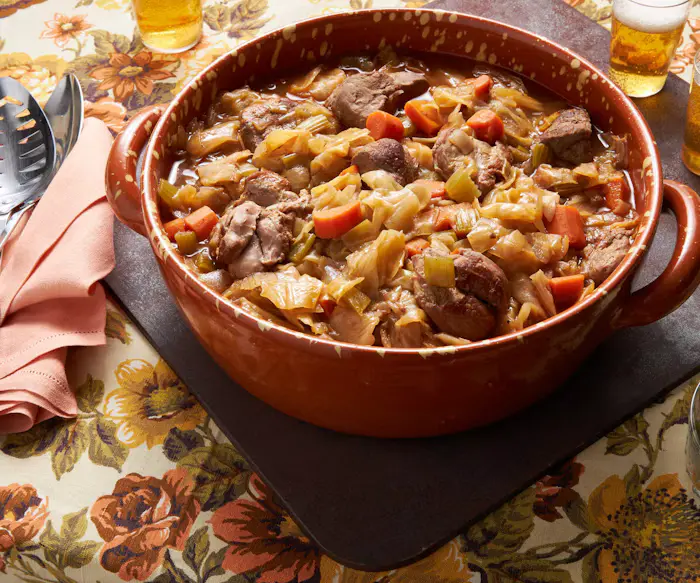
On Friday nights, Emma, who passed away right before LP was born, would make fish in a spicy tomato sauce laced with paprika. She also made cholent, always with brown eggs sliced on top. And the family never cooked lunch on Saturdays, keeping the Jewish custom of not working on the Sabbath. Instead, they ate rotisserie chicken or bread and cheese, LP explains. And, pork wasn't part of their cooking. In the family, cassoeula, a Milanese cousin of French cassoulet, was made with goose instead.
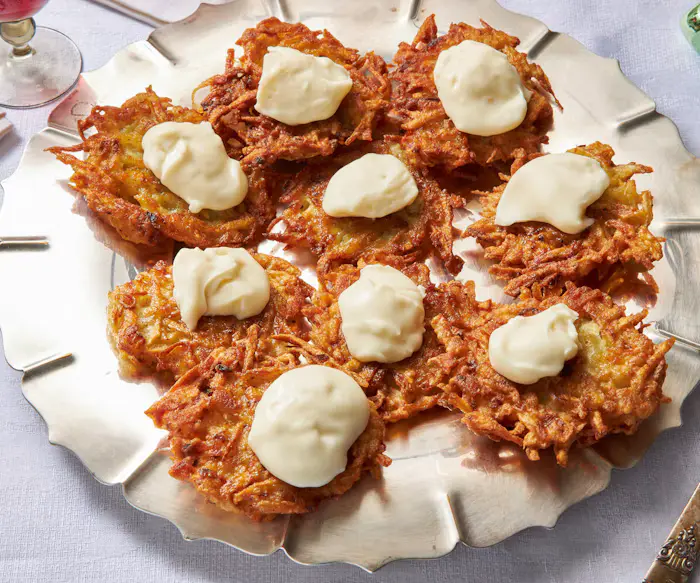
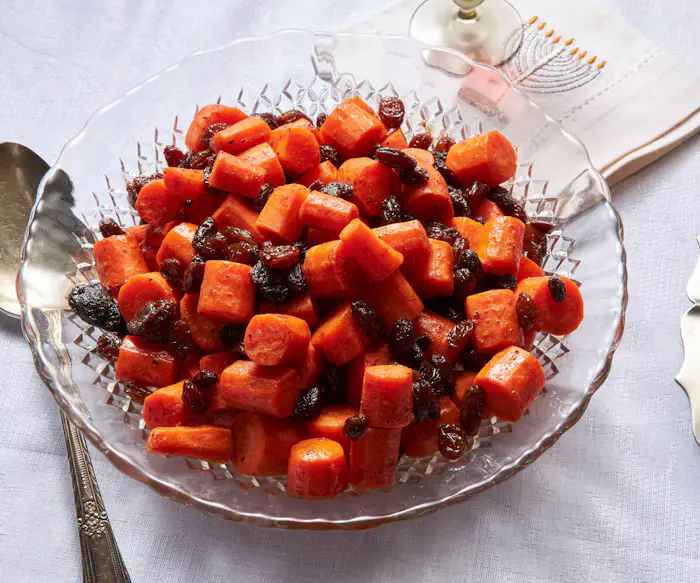
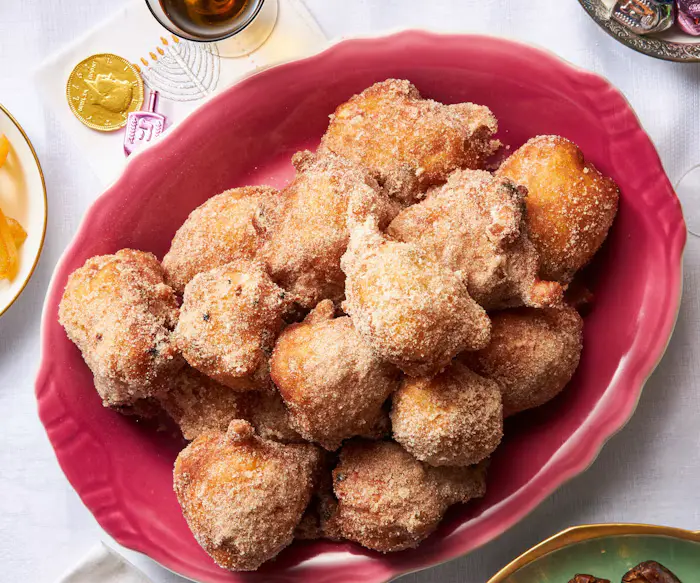
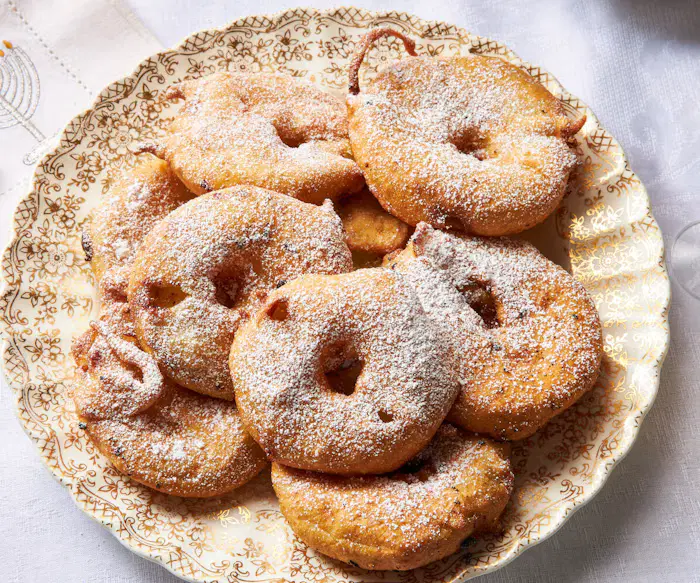
As a child, LP wanted to go to church on Christmas. “To me, it was exciting,” she says. “My grandmother was like: ‘No, we don’t go.’” Instead, during winter, likely sometime near Hanukkah, latkes, tzimmes, Italian fritters called frittole, and fried apples appeared on her family table alongside stracchino, a local cheese that LP describes as denser than sour cream, but with the same tang. It was served, “and then the dish would just disappear,” LP explains.
When LP’s sister passed away a decade ago, the family started to explore their roots more deeply at the suggestion of a therapist. As they researched, they found their family name in Sicilian records dating back to the Inquisition. They also have Ashkenazi roots from Poland. A colleague of LP suggested the family create a cookbook of their Ashkenazi, Sephardi, and Italian recipes. Magdalena, who now also uses the name Yael, led the project with LP translating the recipes for a small book called "Rebelot," a Milanese slang word for something that’s all mixed up or chaotic, but leads to revolution.
“This whole process was very healing for my mom,” she says. From it, LP adds, “I understood how important it is to be rooted.”
Find more Hanukkah recipes in our holiday collection.